The verdict The Montecristo No.2 remains the reference Cuban pirámide on flavor and provenance, but box-to-box construction variance keeps it just short of the top tier. Rest it, and buy by the box.
We opened our 2026 Cuban flight with the cigar that every torpedo in the world is measured against. The Montecristo No.2 has been the default answer to “best pirámide” for decades, and the question our desk wanted settled was whether the modern cigar still earns that on a blind, paid-for basis — or whether reputation is carrying it.
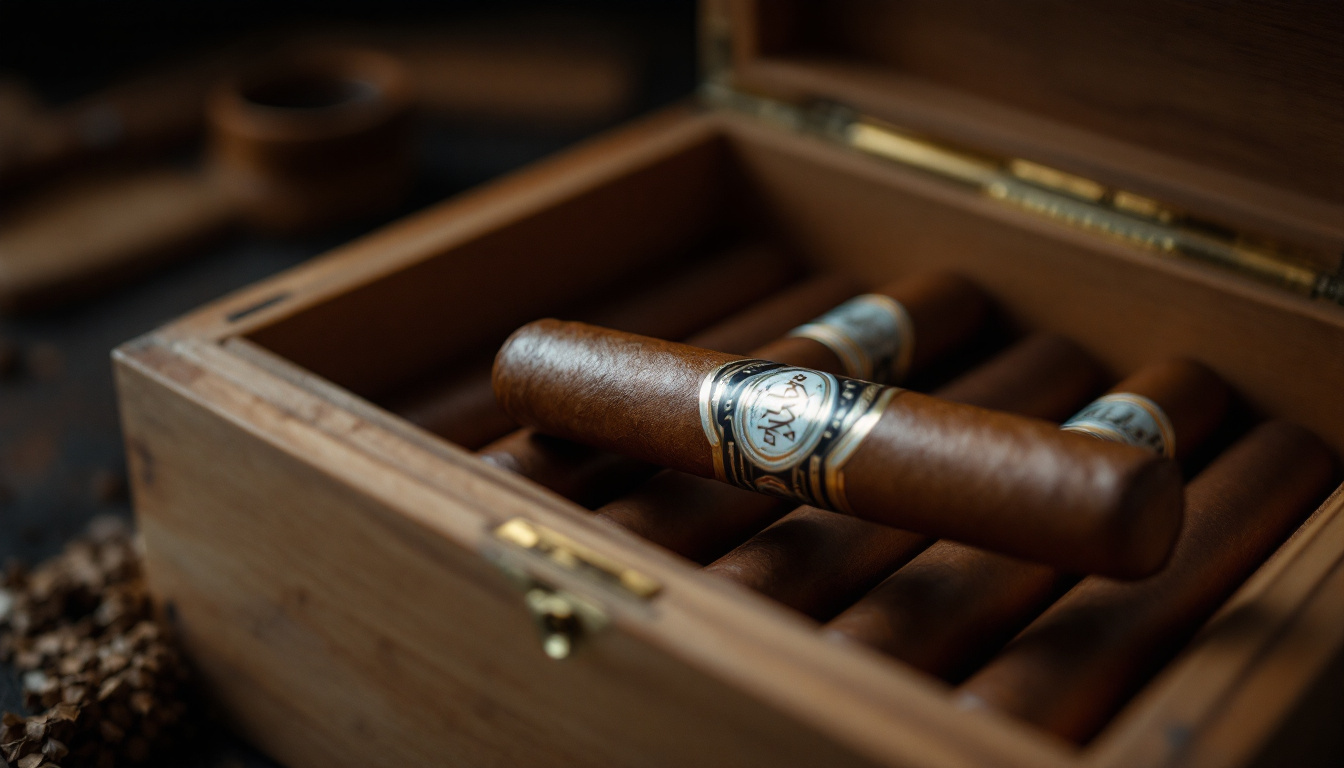
For this review we bought four boxes of 25 from authorized Habanos retailers in London and Geneva, paying the public counter rate (roughly £620 to £710 per box depending on market). We rested each box for a minimum of ten weeks at 65% relative humidity before tasting. Five cigars from each box were smoked blind by our four-person panel across separate sessions, the No.2 shuffled into a flight alongside other 52-to-55 ring gauge Cubans so that nobody at the table knew which cigar they were scoring.
The smoke
On flavor, the No.2 justifies the legend. The opening third is classic Montecristo: a clean cedar-and-cream base, light coffee, and the faint tang the brand is known for. The cigar is medium-to-full and never aggressive early. The second third is where it separates itself — a genuine progression into roasted nuts, cocoa, and a controlled black-pepper spice that builds rather than spikes. The final third tightens into leather and espresso, full-bodied but composed, without the bitter charge that lesser Cubans develop at the band.
What the panel kept writing down was balance. Few cigars at this price hold their structure from light to nub the way a well-made No.2 does. Three of our four boxes delivered at least three cigars that scored in the excellent range on flavor alone.
The catch
The catch is construction, and it remains the No.2’s unsolved problem. The tapered pirámide head concentrates filler, and across our four boxes we met two cigars that were effectively plugged from the first puff and a third that needed a perfecto-draw tool to open. Burn lines wandered on perhaps a quarter of our samples and required a touch-up. None of this is new — it is the same complaint the cigar has drawn for years — but on a 20-point scale where we weight construction at a quarter, it costs the No.2 real points.
This is a box-buyer’s cigar. Singles are a gamble; a box lets the good majority carry the one or two that disappoint.
Against the premium standard
| Dimension | Weight | Score |
|---|---|---|
| Substance (smoke/blend) | 30% | 5.7 / 6.0 |
| Execution (construction/burn/draw) | 25% | 4.0 / 5.0 |
| Service / consistency | 20% | 3.4 / 4.0 |
| Setting / provenance | 15% | 2.7 / 3.0 |
| Value | 10% | 2.2 / 2.0 |
The No.2 maxes its provenance line — there is no more storied address in tobacco than Montecristo’s — and over-delivers on value, because for a flagship Cuban pirámide the per-cigar cost is genuinely reasonable next to New World limited editions twice the price. It loses ground only where it always has: the construction lottery and the consistency that lottery undermines.
Verdict
The Montecristo No.2 is still the cigar we would hand someone who wanted to understand what a great Cuban torpedo tastes like. The flavor is reference-grade and the value is unusually honest for the category. Buy it by the box, rest it properly, and accept that one or two cigars will fight you — that, and not the flavor, is the only thing keeping it out of the top rank.
The Premium Standard: 18.0 / 20
Verification
Every factual claim in this review was checked against external sources before publication, on 2026-02-24. Where a figure could not be independently confirmed, it is described in approximate terms in the text. To challenge a fact, write to corrections@premiumtravelreview.com.
Frequently asked questions
- What size is the Montecristo No.2?
- It is a Pirámide vitola: 52 ring gauge by 156mm (6 1/8 inches), a tapered torpedo head over a robusto-width body.
- Is the Montecristo No.2 all-Cuban tobacco?
- Yes. Wrapper, binder and filler are all Cuban, drawn from the Vuelta Abajo region of Pinar del Río. The line has been in continuous production since 1935.
- Should I smoke it fresh or age it?
- We found a clear improvement after eight to twelve weeks of rest at 65% relative humidity. Younger boxes show ammonia and harshness that settle out with time.
- Why do reviewers complain about construction?
- The tapered head concentrates filler and makes the No.2 prone to plugged or tight draws. Our panel hit at least one problem cigar in most boxes, which is the main reason it scores below the flavor it delivers.