The verdict Septime is the standard-bearer for the neo-bistro movement: seasonal, vegetable-led, natural-wine-driven, and far cheaper than the rooms it influenced. Substance and value are its strengths; setting is deliberately modest.
Few restaurants have shaped how a generation eats as much as Septime. When Bertrand Grébaut — a former graffiti artist who trained under Alain Passard at Arpège — opened it in Paris’s 11th arrondissement in 2011, the template he set down became the grammar of casual fine dining everywhere: a short seasonal menu, vegetables treated as the main event, a natural-wine list, and a stripped, industrial room with none of the trappings of luxury. A decade and a half later, with a Michelin star and a long run on The World’s 50 Best, the question is whether the original still outperforms the thousand rooms it inspired. We came to test it. It does.
We visited twice across the window, one seating taken anonymously, both paid in full at the public rate. Septime placed No. 40 on The World’s 50 Best 2025; the meal is the reason the imitators exist.
What we tested
We took the lunch menu on the anonymous visit and the longer dinner menu on the second. Both are fixed, seasonal, and short by tasting-menu standards — Septime’s discipline is part of its identity. Théo Pourriat’s wine list, weighted heavily toward natural and low-intervention bottles, is as central to the experience as the food. The cooking is precise, vegetable-forward, and confident enough to leave dishes alone.
Scoring against the Premium Standard
| Dimension | Weight | Score (of 20) | Contribution |
|---|---|---|---|
| Substance | 30% | 17.5 | 5.25 |
| Execution | 25% | 17.5 | 4.375 |
| Service | 20% | 17.5 | 3.50 |
| Setting | 15% | 15.5 | 2.325 |
| Value | 10% | 19.5 | 1.95 |
| Total | 17.40 → 17.5 |
Substance (17.5)
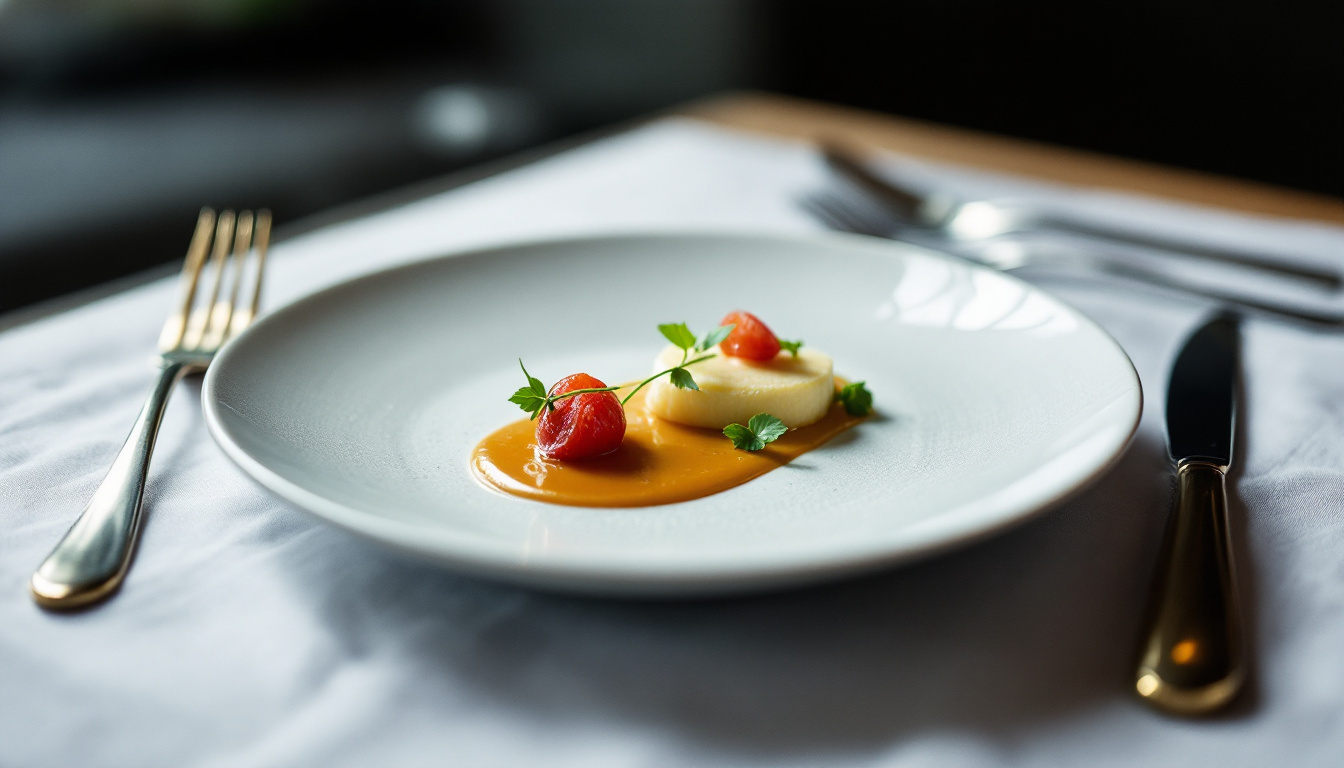
The cooking is genuinely accomplished and, crucially, restrained in a way that flatters its ingredients. A seasonal vegetable course dressed minimally, a fish cooked to the exact point and left otherwise alone — this is the confidence Grébaut learned at Arpège, applied without the white tablecloth. The substance is high for a one-star and exceeds plenty of two-star kitchens; what holds it below the batch’s top tier is simply ambition. Septime is not trying to overwhelm; it is trying to be the best possible version of a focused, seasonal meal, and at that it succeeds. Judged against the most maximalist rooms here, its deliberate modesty is its ceiling.
Execution (17.5)
Across both visits the cooking was precise and consistent, the short menu allowing the kitchen to do a few things extremely well rather than many things adequately. There were no faults to note; the score reflects ambition, not error.
Service (17.5)
The floor is relaxed, knowledgeable, and unpretentious — the natural-wine guidance from Pourriat’s team is a highlight. On the anonymous lunch the service was as engaged as at the booked dinner. It is warm and competent rather than choreographed, which is exactly right for the format.
The setting and the bill
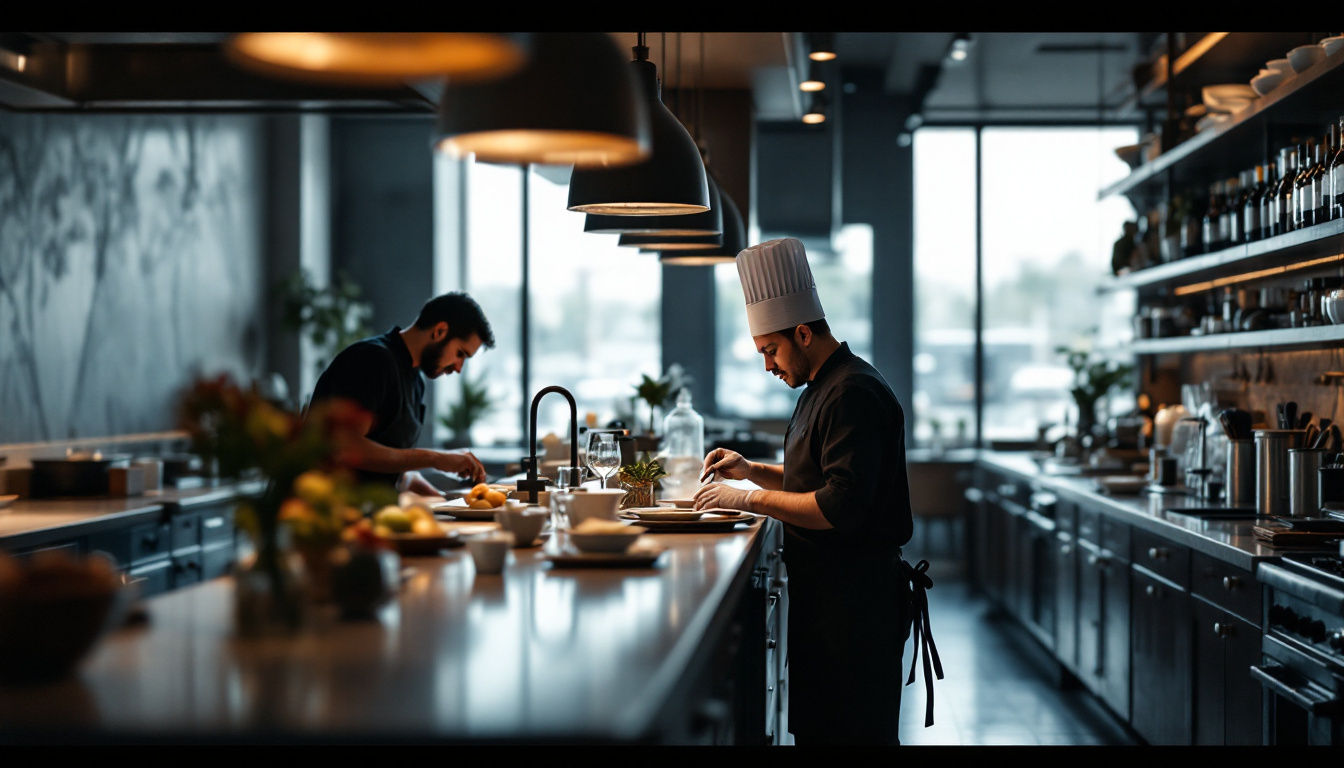
The setting (15.5) is the lowest in the batch, and entirely by design. The room is stripped-back and industrial — bare wood, a busy buzz, no luxury cues at all. This is the point of a neo-bistro, but the desk scores the room as it is, and as a physical environment it offers little occasion. A diner who wants grandeur should look elsewhere; a diner who finds the casualness liberating will love it.
Value (19.5) is the headline and nearly the highest in the round. The set menus run a fraction of the price of the starred rooms Septime influenced, and our two-person dinner with wine and service came to a total that several restaurants in this batch would charge for a single course. For the cooking and the reputation, the value is exceptional.
Verdict
Septime remains the best version of the format it invented. The cooking is precise and confident, the wine programme is a genuine pleasure, and the value is among the strongest here. It is not the most ambitious meal in this batch — by choice — and the deliberately bare room costs it on setting. But as the original neo-bistro, still outrunning its imitators on substance and value alike, it earns a clear and affectionate recommendation.
The Premium Standard: 17.5 / 20
Verification
Every factual claim in this review was checked against external sources before publication, on 2026-04-30. Where a figure could not be independently confirmed, it is described in approximate terms in the text. To challenge a fact, write to corrections@premiumtravelreview.com.
Frequently asked questions
- How is Septime ranked?
- It holds one Michelin star in the France guide and placed No. 40 on The World's 50 Best Restaurants 2025, having peaked at No. 11 in 2024.
- Who runs it?
- Chef Bertrand Grébaut, formerly of Alain Passard's Arpège, with Théo Pourriat directing the room and wine. It is in Paris's 11th arrondissement.
- What kind of restaurant is it?
- A neo-bistro: a short seasonal tasting menu, vegetable-forward cooking, a natural-wine list, and a stripped-back industrial room. It opened in 2011.
- Is it good value?
- Exceptionally, for the quality and reputation — the set menus run a fraction of the price of the starred rooms Septime influenced.