The verdict On the liquid, Yamazaki 18 is a beautifully poised, sandalwood-and-dark-fruit single malt that fully merits its acclaim. On price and availability it has become a casualty of its own fame, and the score reflects both.
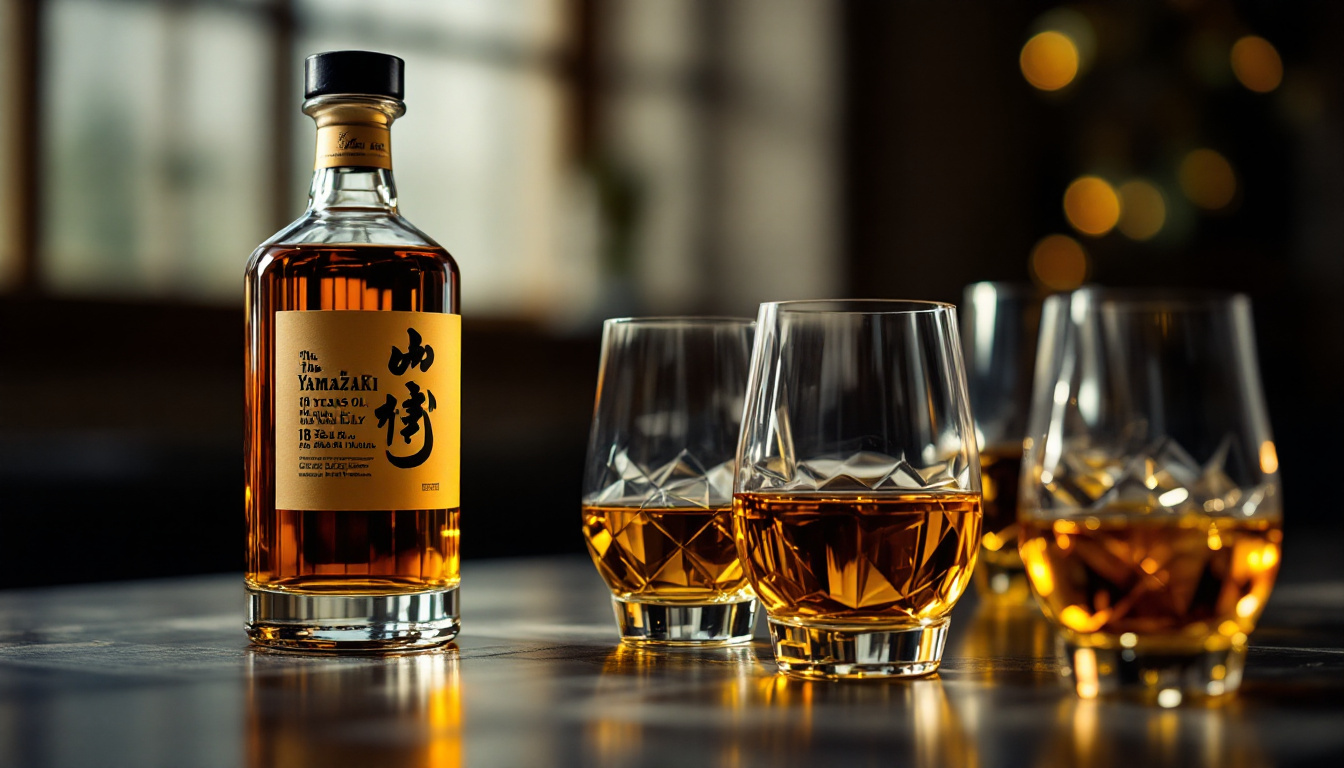
No single bottle did more to turn Japanese whisky from a curiosity into a trophy category than Yamazaki 18. It is the expression that international judges began handing top honours to, and the one whose scarcity helped detonate the secondary market for aged Japanese malt. We bought a bottle at the public rate — no small feat in itself — and tasted it blind in a flight of aged single malts spanning Scotland and Japan across two sessions.
The desk approached this one with a specific scepticism. When a bottle becomes a status object, its reputation can outrun its contents. That is not what we found. Yamazaki 18 is, on the liquid alone, genuinely excellent. The complication is entirely a matter of what it now costs and how hard it is to get.
Tasting context
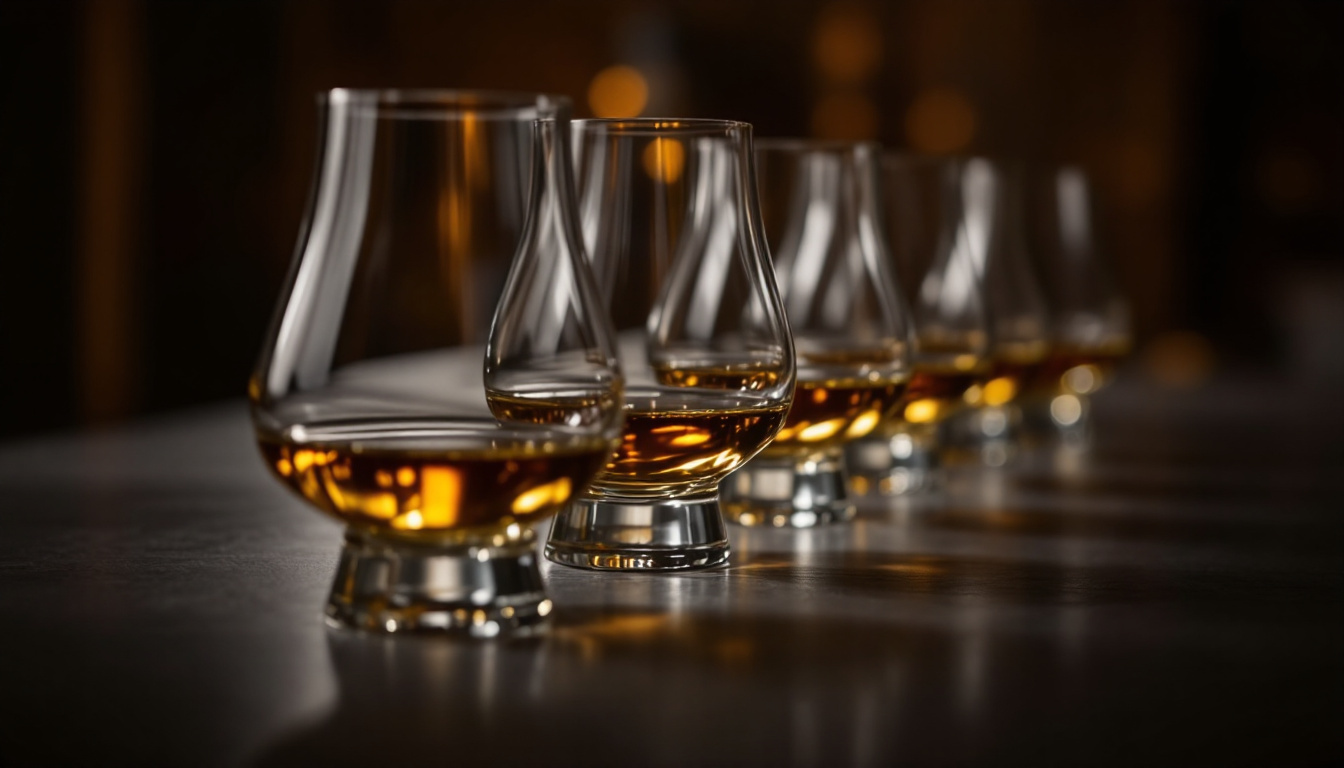
Poured neat into Glencairn glasses, assessed, then revisited with water, labels masked. The mizunara signature made the Yamazaki the most distinctive glass in the flight — the only one carrying that unmistakable note of Japanese temple incense, which gave it away to the two panellists familiar with the cask type.
Nose. Rich and layered: dark cherry, ripe peach, and dried fruit up front, then a deeper seam of sandalwood, incense, and gentle baking spice — cinnamon and nutmeg — that is the fingerprint of mizunara oak. There is an elegance to the aromatics that several Scottish malts in the flight, for all their power, did not match.
Palate. Full-bodied and creamy. Candied orange and stone fruit give way to a maze of spice — clove, a little pepper — with the sherry-cask component supplying dried-fruit weight and the American oak supplying vanilla and structure. The three cask types are woven together rather than stacked; nothing reads as a discrete “finish.”
Finish. Long and lingering, with sandalwood, clove, and a whisper of dried coconut. The mizunara character actually strengthens through the finish, which is unusual and accounts for much of the whisky’s reputation for memorability.
Scoring against the Premium Standard
| Dimension | Weight | Score (of weight) |
|---|---|---|
| Substance (the liquid) | 30% | 5.7 / 6.0 |
| Execution | 25% | 4.7 / 5.0 |
| Presentation | 20% | 3.6 / 4.0 |
| Setting / provenance | 15% | 2.8 / 3.0 |
| Value | 10% | 0.7 / 2.0 |
| Total | 100% | 17.5 / 20 |
Substance and Execution are where this whisky lives — the cask integration is exemplary and the aromatic complexity is among the best we have scored in the aged-malt category. Presentation and provenance are both strong; Yamazaki is the founding distillery of Japanese whisky and the mizunara story is real, not marketing varnish. The collapse is entirely in Value. The nominal price is high and the street price higher still, with a scarcity premium that, on a strict pleasure-per-pound basis, is difficult to defend against the best aged Scottish malts. A whisky this good loses two full rubric points to a market it did not create but now thoroughly embodies.
Where it sits
If price and availability were no object, Yamazaki 18 would sit at the very top of our aged single-malt rankings on aromatic complexity alone. They are very much an object. The desk’s position is therefore split, deliberately: as a drinking experience this is a near-flawless whisky and we recommend it without reservation to anyone who can taste a measure at a fair rate. As a purchase at current market levels, it is a scarcity trade as much as a flavour one, and a clear-eyed buyer should know that going in.
Our final figure honours the liquid while declining to pretend the price tag does not exist. Both are real; both are scored.
The Premium Standard: 17.5 / 20
Verification
Every factual claim in this review was checked against external sources before publication, on 2026-05-10. Where a figure could not be independently confirmed, it is described in approximate terms in the text. To challenge a fact, write to corrections@premiumtravelreview.com.
Frequently asked questions
- What casks is Yamazaki 18 matured in?
- It is a marriage of whiskies aged in American oak, Spanish (sherry-seasoned) oak, and Japanese mizunara oak — the last contributing its signature incense and sandalwood character.
- What is the ABV of Yamazaki 18?
- Yamazaki 18 is bottled at 43% ABV.
- Why is Yamazaki 18 so expensive?
- Demand for aged Japanese whisky has vastly outstripped supply. The nominal price is high and street pricing routinely exceeds it, often substantially, due to scarcity.
- Is Yamazaki 18 worth buying?
- On quality, unequivocally yes. As a value proposition it is harder to defend; buyers are paying a significant scarcity premium over the intrinsic worth of the liquid.