The verdict The Grande 36M is Azimut's most credible large-flybridge effort, using carbon in the superstructure to hold weight down while still planing at speed. Strong volume and pace; the trade is shorter legs than a displacement rival.
The Azimut Grande 36M is a boat built around a structural argument: that carbon-fibre construction can let a 35-metre flybridge plane at genuine speed without surrendering volume. After a two-day Amalfi-coast charter — Naples to Capri and Positano — aboard a 2025-delivered hull with a crew of six, arranged through Azimut, we judge the argument largely won.
This is a fast boat for its size, and the engineering choices that make it fast are the most interesting thing about it.
Substance and the carbon case
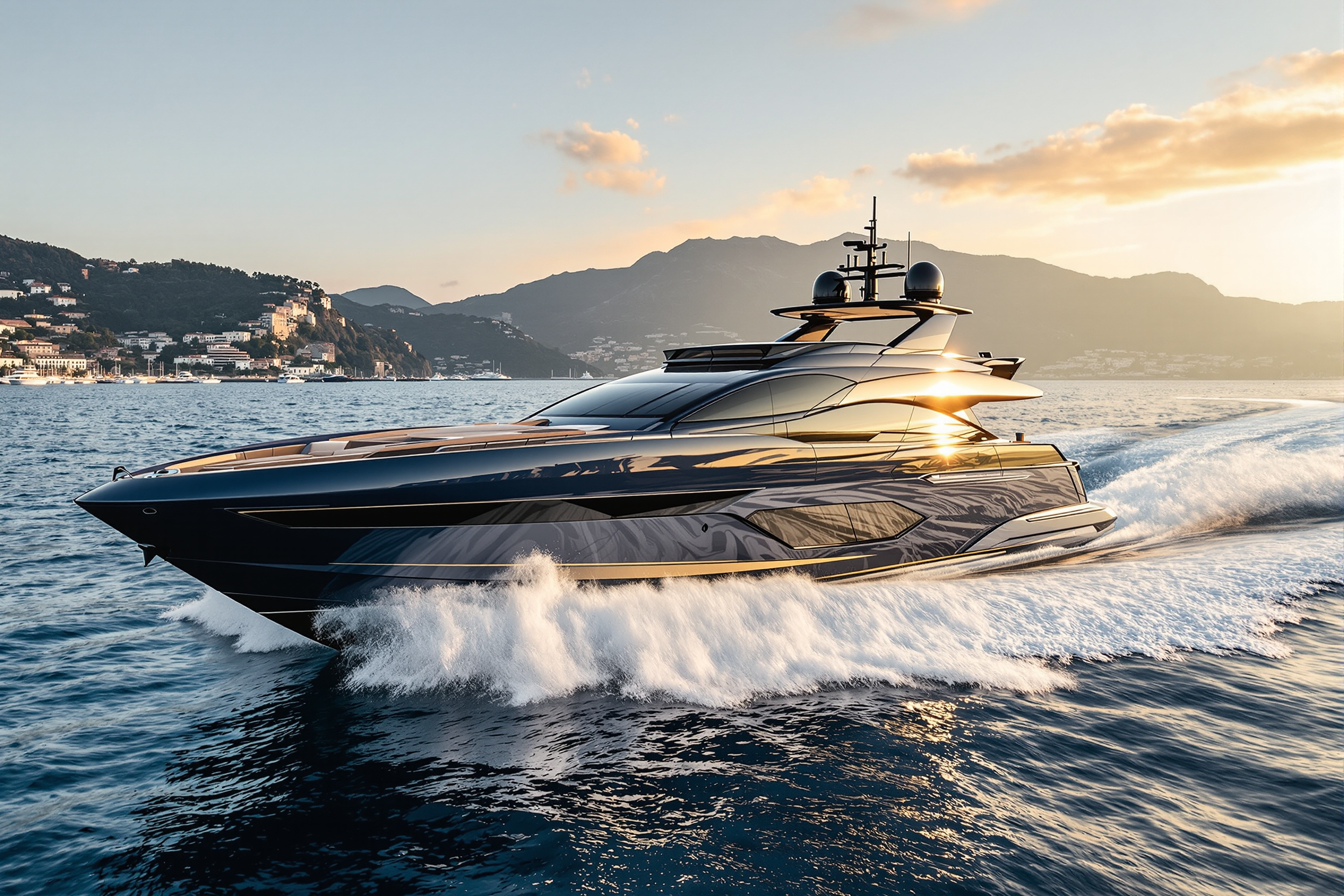
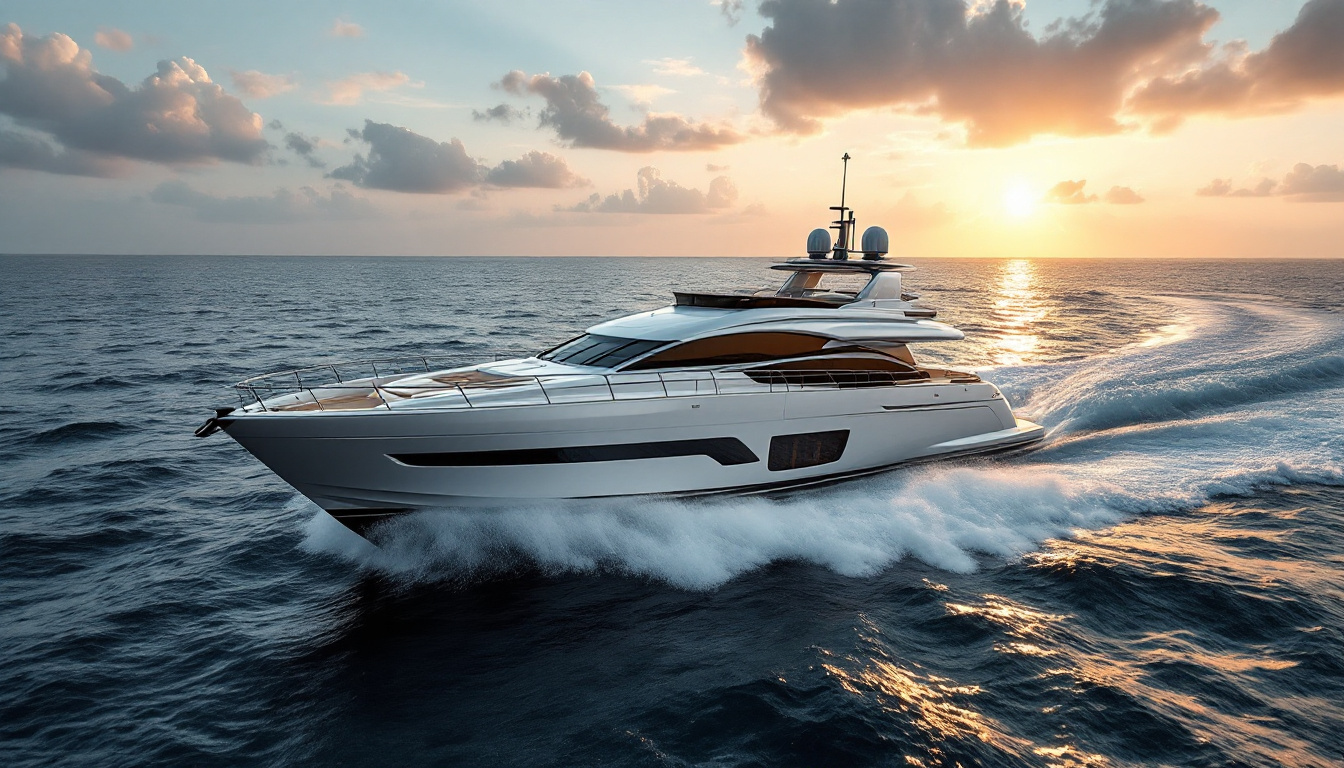
The Grande 36M pairs a GRP hull with a carbon-fibre superstructure. The payoff is weight: carbon up high lowers the centre of gravity and trims displacement, which is what allows twin MTU diesels (2,200 or 2,400 hp; the higher rating on our hull) to push a 35-metre boat to around 24 knots top with a comfortable 18-to-19-knot cruise. Few boats this large plane this willingly, and on the run to Capri the boat got up and stayed there cleanly in light sea.
The trade is range. A planing 35-metre boat burns fuel at a different rate from a displacement rival, and buyers chasing transoceanic autonomy should look to a slower hull. The Grande is a fast Mediterranean and Caribbean cruiser, and it is honest about that.
| Dimension | Weight | Score |
|---|---|---|
| Substance (the vessel) | 30% | 5.2 / 6.0 |
| Execution (build/engineering) | 25% | 4.5 / 5.0 |
| Service | 20% | 3.5 / 4.0 |
| Setting / experience | 15% | 2.6 / 3.0 |
| Value | 10% | 1.7 / 2.0 |
Execution and accommodation
Build quality on our hull was strong. The carbon work is invisible to the guest but evident in the boat’s behaviour — the motion at cruise is settled and the flybridge does not feel top-heavy in a turn. Interior fit was very good, with consistent joinery and well-handled stone; we noted no significant trim issues.
The layout sleeps up to 10 guests across five staterooms, an unusually generous cabin count for a boat that also planes, and the direct consequence of the weight saved in the superstructure. The full-beam master and the flybridge — large, well-shaded and a genuine second living deck — are the standouts. Crew quarters support around six.
Service, setting and value
On charter, service was crew-led and capable, with sensible circulation between the main-deck galley and both the cockpit and flybridge dining positions. The flybridge is the experiential high point: it is a large, usable social deck rather than a token sundeck, and it changes how the boat lives at anchor.
On value, the Grande 36M sits in the region of €12 to €14 million depending on specification. That is competitive for a carbon-assisted 35-metre planing boat with five cabins; you are paying for speed-plus-volume, a combination that displacement rivals cannot match and that slower composite boats undercut only by giving up the pace.
Verdict
The Grande 36M is Azimut’s most credible large flybridge, and the carbon engineering is not a gimmick — it is the thing that makes the boat’s speed-and-volume pairing possible. Buyers who want long range will be happier on a displacement hull, but for a fast, spacious, five-cabin Mediterranean flagship, the Grande makes a strong case.
The Premium Standard: 17.5 / 20
Verification
Every factual claim in this review was checked against external sources before publication, on 2026-05-14. Where a figure could not be independently confirmed, it is described in approximate terms in the text. To challenge a fact, write to corrections@premiumtravelreview.com.
Frequently asked questions
- What are the Grande 36M's dimensions?
- Length overall is about 35.3 metres with a 7.5-metre beam, built on a GRP hull with carbon-fibre superstructure to control weight.
- How fast is it?
- Maximum speed is up to around 24 knots with a cruise near 18 to 19 knots, on twin MTU diesels offered in 2,200 or 2,400 hp form.
- How many guests does it carry?
- Up to 10 guests across five staterooms, with quarters for a crew of around six.
- Why does carbon-fibre matter here?
- Using carbon in the superstructure lowers the centre of gravity and reduces weight, which lets a 35-metre boat plane at speed while keeping a five-cabin layout.