The verdict Spring Place is the most credible work-first members' club in New York — strong on function and consistency, deliberately lower on glamour, which limits its setting and substance scores without undermining its purpose.
The verdict first: Spring Place is the most credible work-first members’ club in New York, and it earns that standing by taking the unglamorous half of the club proposition seriously. Founded in 2016 inside the Spring Studios complex in Tribeca, it built its membership around productivity — meeting rooms, workspace, a vetted professional community — rather than around the dinner-and-after circuit that defines its rivals. We assessed it across a working day and an evening as a member’s guest. The score is solid and honest: Spring Place is excellent at what it sets out to do and deliberately modest on the dimensions our rubric weights most.
The principals: function before spectacle
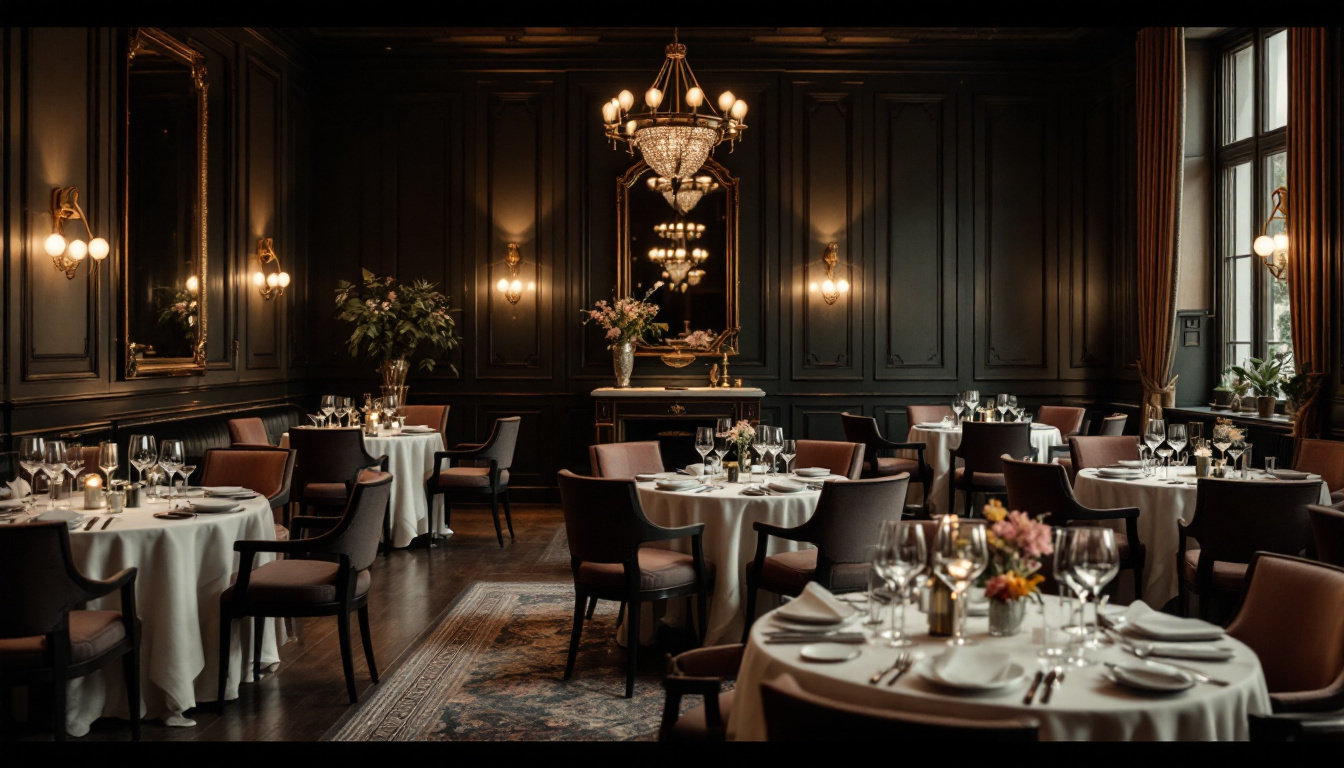
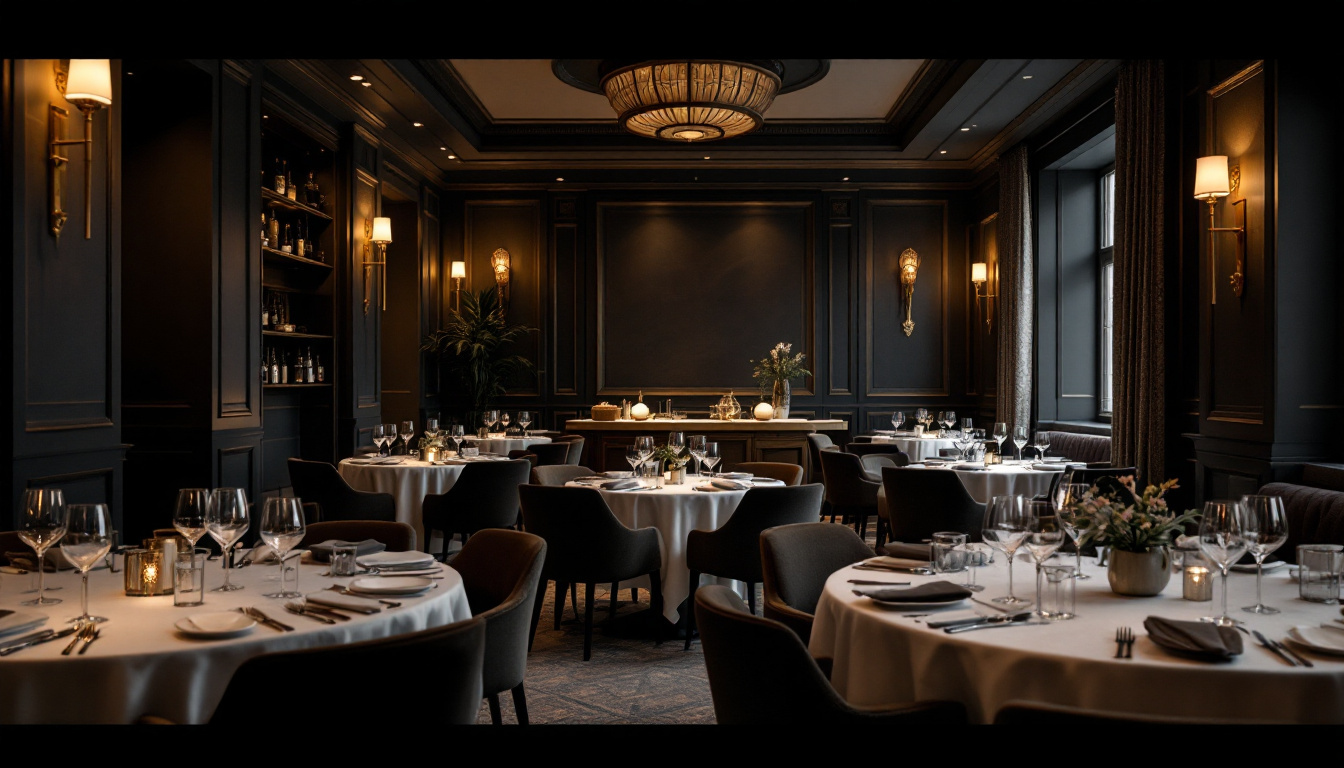
Spring Place occupies space at 6 St Johns Lane within Spring Studios, the Tribeca creative complex. The interiors are handsome in a contemporary, professional register — clean lines, good light, comfortable work and meeting spaces, a rooftop and dining areas. This is not a club of grand set-pieces or theatrical rooms; it is a club of well-designed, functional spaces that flex between work and socialising across the day.
That functional priority is the whole point, and it sets the ceiling on the substance score. The rooms are good and purposeful, not transporting. Measured against the sensory ambition of a Casa Cipriani or the residential intimacy of a Birley club, Spring Place is intentionally plainer — and intentionally more useful at 11 a.m. on a Tuesday. We score substance fairly: strong for its purpose, capped by its deliberate restraint.
Execution: consistent and well-run
The food and beverage and the workspace infrastructure were executed consistently across both visits. The kitchen is reliable and contemporary; the meeting and event facilities are properly equipped and properly staffed. This is a club whose execution is judged less on a single memorable dish than on whether the wifi, the rooms, the coffee and the service all simply work across a long working day — and they do. Execution scores solidly, reflecting dependable, professional delivery rather than culinary ambition.
Service: professional, low-key, vetted community
Service matched the club’s character: professional, low-key, oriented toward members who are there to work as much as to socialise. The membership is committee-vetted around professional and creative fields, which produces a community oriented toward useful adjacency rather than scene. For a member’s guest, the experience was efficient and unforced. We score service well — it is appropriate and consistent — short of the very top, which we reserve for the anticipatory intimacy of the great residential clubs.
Setting and tempo
The Tribeca setting is good and the rooftop is a genuine asset, but the building is a workplace-first environment and reads as one. The tempo is the inverse of the scene-clubs: busiest by day, social in the evening, built for the rhythm of working professionals rather than late-night circulation. This is precisely the club’s differentiator and its value, even as it limits the setting score relative to the view-and-glamour venues. We score the setting respectably and credit the all-day, work-led tempo as the club’s defining and well-executed strength.
Membership criteria and admission
Spring Place vets its members through a committee, with the stated aim of assembling a community of entrepreneurs, executives and creatives whose professional adjacency is itself a benefit. The admissions logic is therefore closer to a curated coworking community than to a status-driven door: the question is not whether a prospective member is glamorous but whether they fit a network oriented toward work and collaboration. On our visits this produced a membership that felt professional and purposeful rather than performative — people were demonstrably using the club, on laptops and in meeting rooms, not merely being seen in it. For the right member, this is the differentiator: you are buying into a working community, and the vetting exists to keep that community coherent. The founders themselves come from business and creative backgrounds, and the membership reflects that orientation, which keeps the club’s identity consistent rather than diffuse.
Operating tempo and daily use
The operating tempo is the clearest expression of Spring Place’s thesis. Where the scene-clubs come alive after dark, Spring Place is at its busiest and most characteristic during the working day, with the social and dining functions layering on top in the evening. This inversion is the whole point: a member can run a full working day from the club — meetings, calls, lunch, focused work — and then transition into the social offer without changing venues. Few clubs in our cohort genuinely support this all-day, work-anchored rhythm, and Spring Place was built around it from the ground up rather than retrofitting workspace onto a social club. The Beverly Hills sibling extends the same model westward, giving bi-coastal members continuity. For the working professional, this tempo is not a limitation but the reason to join.
Membership economics
Spring Place sits below the top of the market on dues, consistent with its work-club positioning; we decline to publish a specific current figure we cannot reliably source. On value, the proposition is unusually concrete: members who would otherwise pay for premium office, meeting and event space get that plus a social club, which makes the value case the most tangible in our New York cohort for the working member. You are buying utility you can measure, which is a different and arguably more defensible value than buying access or ambience.
Scoring against The Premium Standard
| Dimension | Weight | Score (/20) | Contribution |
|---|---|---|---|
| Substance (principal rooms) | 30% | 14.5 | 4.35 |
| Execution | 25% | 16.0 | 4.00 |
| Service | 20% | 15.5 | 3.10 |
| Setting | 15% | 14.5 | 2.18 |
| Value / membership economics | 10% | 18.7 | 1.87 |
Weighted total: 15.5 / 20.
Spring Place is the right club for the member whose primary need is a serious, well-run place to work, meet and entertain professionally, with social life as the complement rather than the centre. It scores lower than the glamour-led clubs on substance and setting because it deliberately competes on a different axis — function and value — where it is, in our assessment, the strongest option in New York. Judged against its own brief, it is a clear success; judged against our full rubric, the deliberate plainness costs it at the top.
The Premium Standard: 15.5 / 20
Verification
Every factual claim in this review was checked against external sources before publication, on 2026-04-25. Where a figure could not be independently confirmed, it is described in approximate terms in the text. To challenge a fact, write to corrections@premiumtravelreview.com.
Frequently asked questions
- When did Spring Place open?
- Spring Place opened in 2016 at 6 St Johns Lane in Tribeca, within the Spring Studios complex.
- Who founded Spring Place?
- It was founded by Francesco Costa, Alessandro Cajrati Crivelli and Imad Izemrane.
- Does Spring Place have other locations?
- Yes. A Beverly Hills location opened in October 2018, extending the work-club model to the West Coast.
- Is Spring Place a coworking space or a social club?
- Both. It is a members' club built around a serious coworking and meeting infrastructure, combined with restaurant, bar and event spaces, vetted by a membership committee.