The verdict Zero Bond is the most effective networking club in New York and a well-run operation, but it is sold on access and influence rather than design or cuisine, which caps its score on the dimensions we weight most.
The verdict first: Zero Bond is the most effective networking instrument in New York’s private-club market, and that is both its achievement and the ceiling on its score. Scott Sartiano’s NoHo club, which opened in October 2020 and rapidly became the default room for the city’s political, media and finance class, is well-run, well-designed and genuinely useful — but it is sold on access and influence rather than on the substance, cuisine and setting that we weight most heavily. We assessed it across an evening as a member’s guest. The result is a solid score that honestly reflects a club optimised for a purpose other than the ones our rubric prizes.
The principals: a handsome industrial conversion
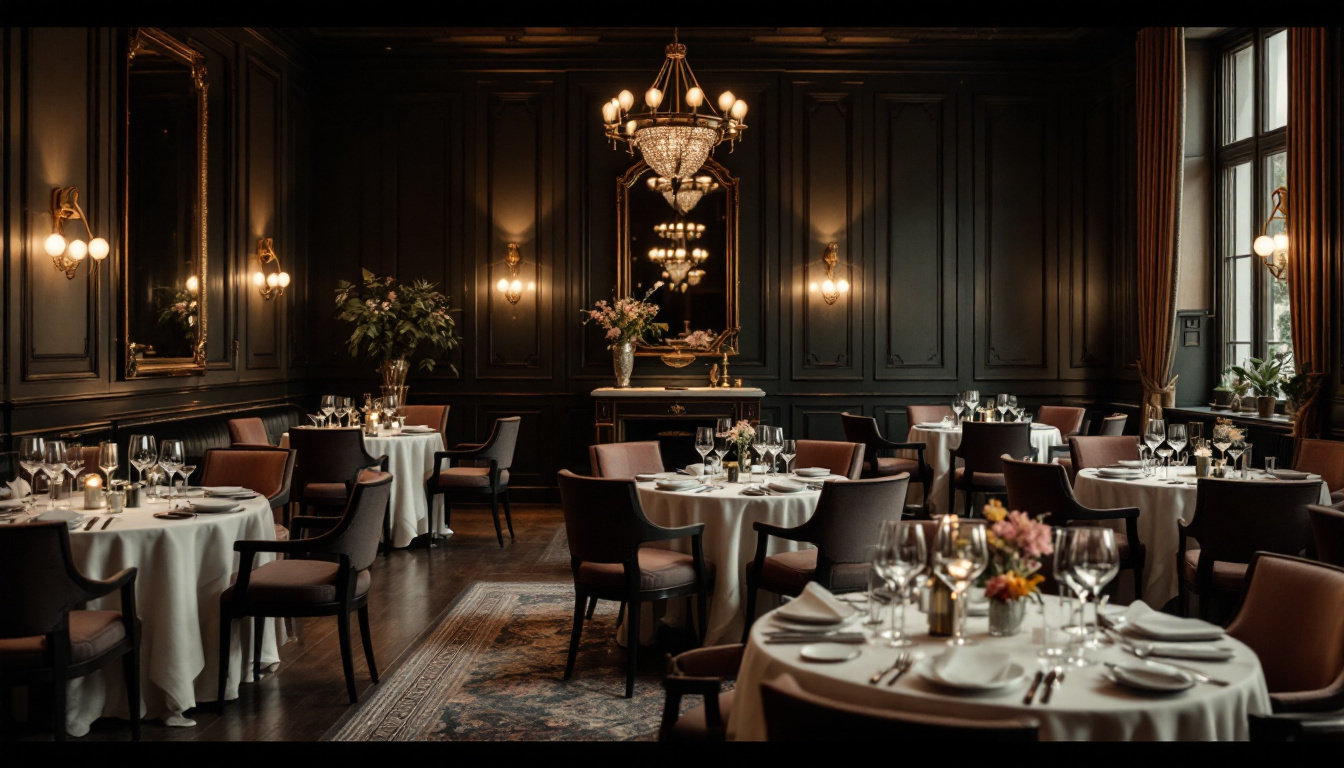
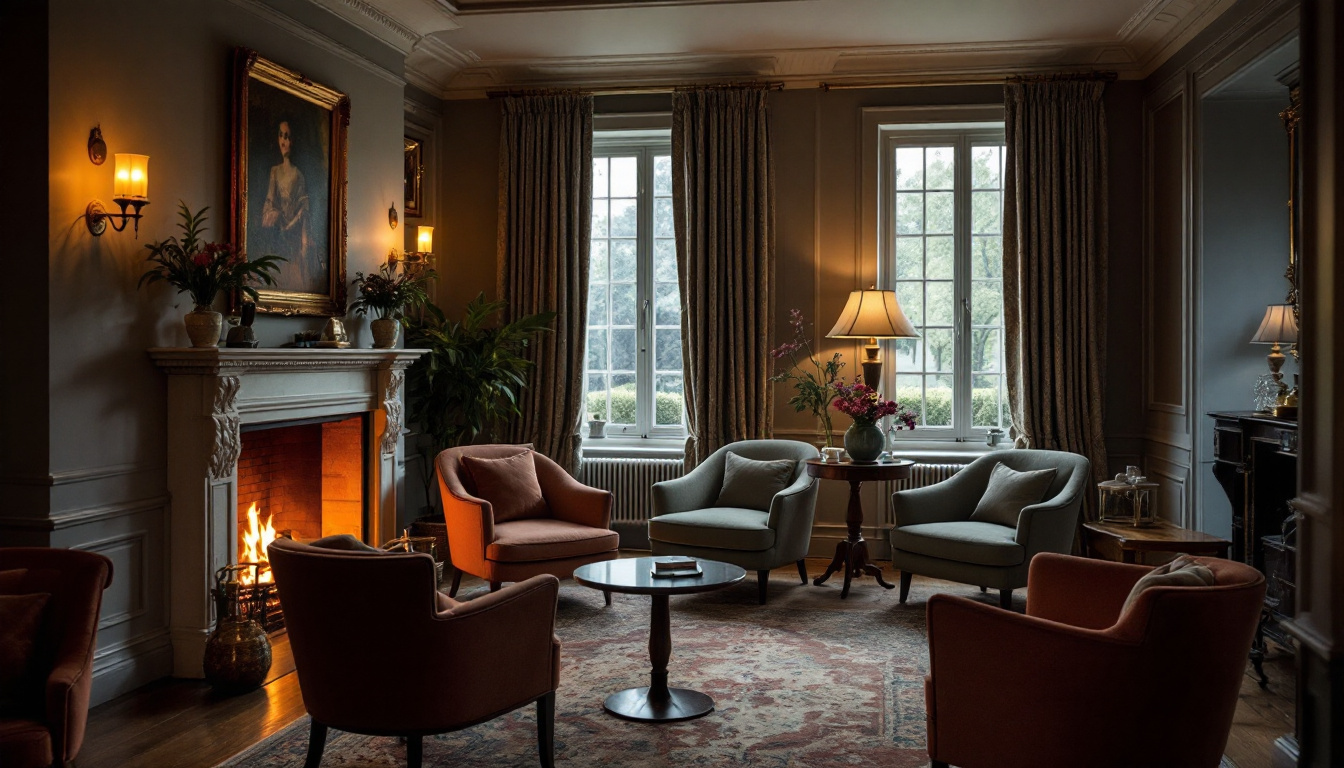
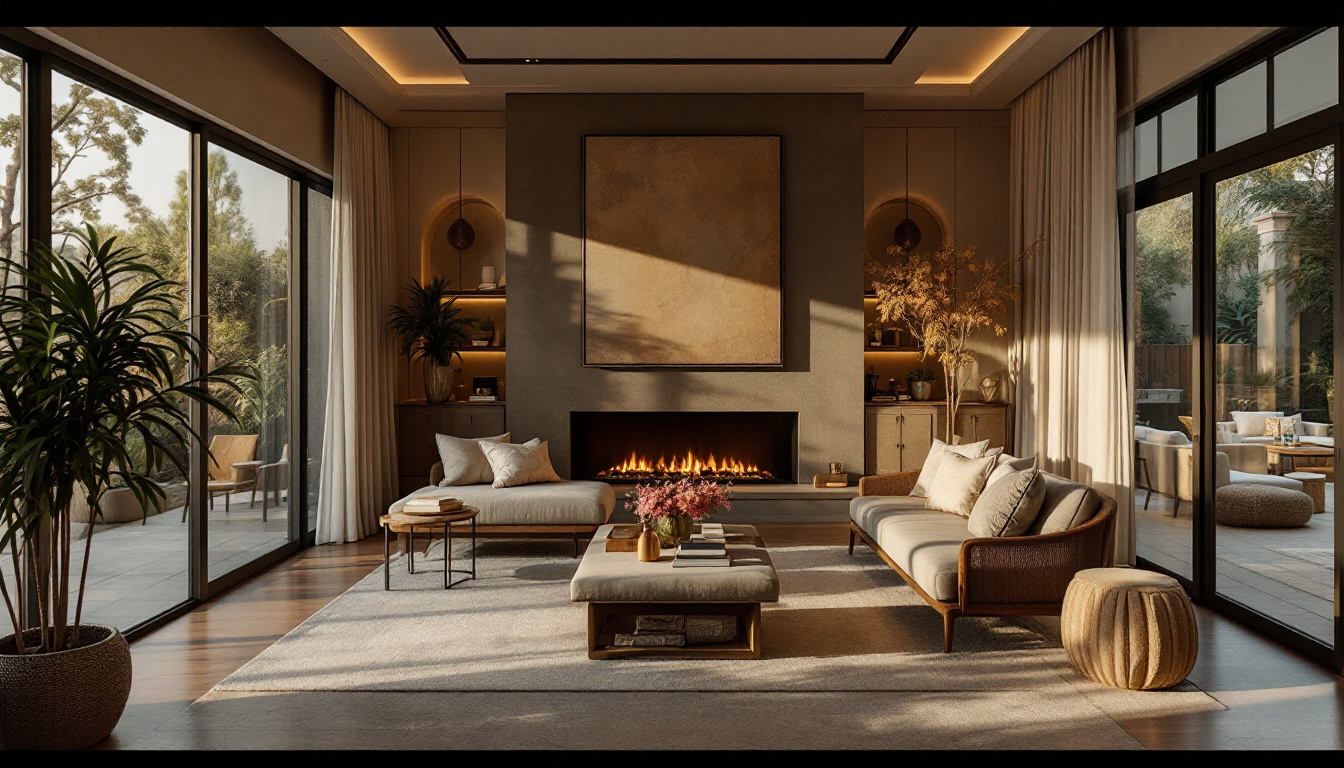
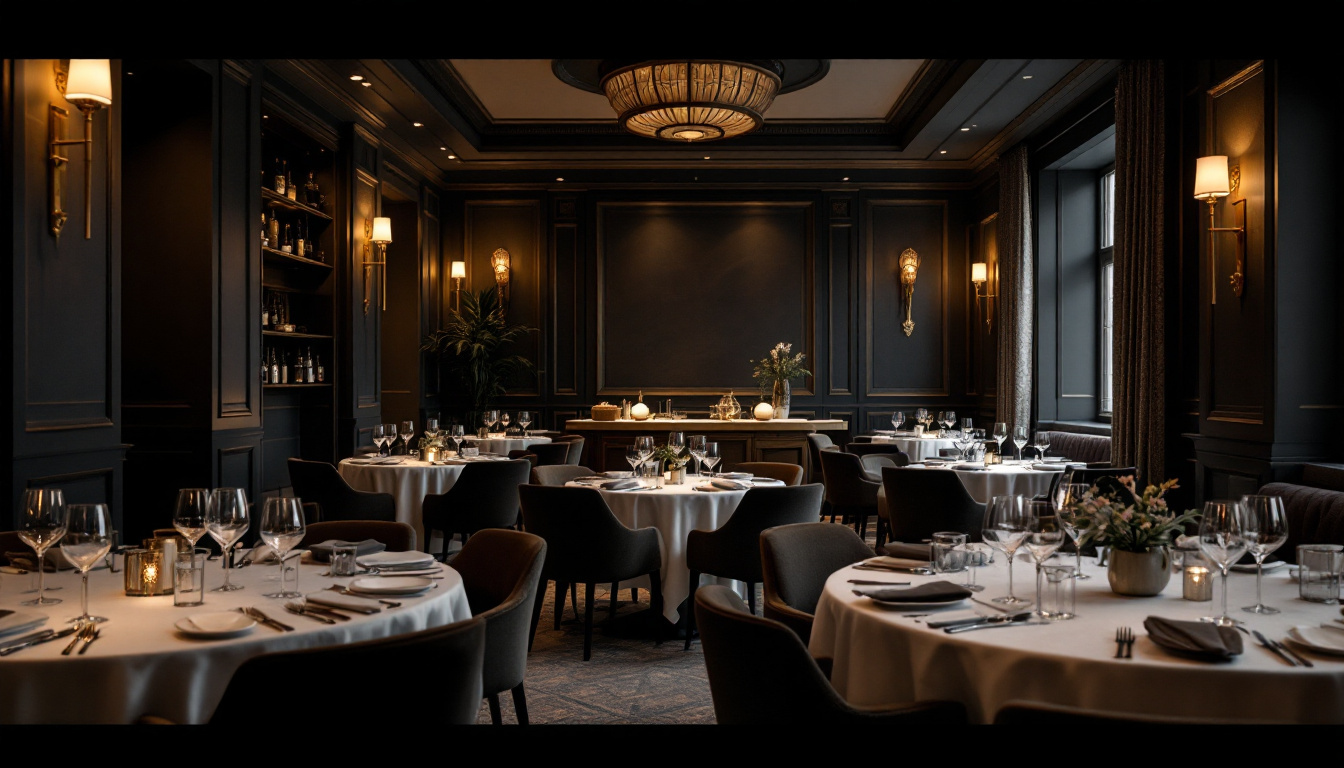
Zero Bond occupies a former Brooks Brothers factory at 0 Bond Street, a Victorian-era industrial building whose arched windows, exposed brick and open-beam ceilings were retained in Bill Sofield’s 20,000-square-foot interior. The result is handsome and contemporary — a confident, masculine downtown aesthetic that suits the membership it attracts. There is a fingerprint-accessed founders’ lounge, restaurants, a screening room, a café and a roof deck.
The substance is good but not exceptional in the terms we measure. The rooms are well-designed and comfortable; they are not transporting in the way a Casa Cipriani or a Hertford Street is. This is a club where the people in the room are the product, and the architecture is a competent, attractive container for them. We score substance accordingly — strong, not singular.
Execution: reliable, not the reason to come
The food and beverage operation is well-run and consistent — Sartiano is an experienced operator and it shows in the smoothness of the service points and the reliability of the kitchen. On our visit the cooking was good without being a destination in itself. That is, frankly, appropriate: members do not come to Zero Bond for the tasting menu; they come for who is at the next table. Execution scores solidly, capped by an intentionally unambitious culinary register.
Service: efficient, discreet, photography-banned
Service was efficient and the club’s strict no-photography policy is enforced, which contributes meaningfully to the sense that conversations stay in the room — a real and valued feature for a membership that includes people who cannot be photographed casually. The floor is professional and reads the room’s seniority, which, as at the other scene-driven clubs, is honest to the purpose but short of the status-blind ideal. Service scores well, with the discretion policy a genuine point in its favour.
Setting and tempo
The NoHo setting is good and the roof deck is a real asset, but the building is an interior experience rather than a view-driven one. The tempo is the defining feature: Zero Bond is a power-dinner and deal-making club, busiest in the evening, engineered for circulation and introduction rather than repose. The famous 10,000-name waitlist tells you the demand is for access, not ambience. We score the setting respectably and treat the networking-forward tempo as the club’s deliberate, well-executed identity.
Membership criteria and admission
Zero Bond’s admissions are explicitly engineered around the value of the room’s occupants. The much-reported waitlist — figures of around 10,000 names against a few hundred available places have circulated — functions as both a marketing asset and a genuine screening mechanism: scarcity is the point. The membership skews toward politics, media, finance and entertainment, and the club’s reputation rests on the seniority of who can be found there on a given evening rather than on the building or the menu. This is the inverse of a club like The Battery: where The Battery curates for mix, Zero Bond curates for influence and proximity. For a prospective member, the calculation is therefore brutally practical — the membership is worth what the network is worth to you, and for people whose careers run on access to decision-makers, that value is high. The founders’ lounge, accessed by fingerprint, formalises the internal hierarchy that the whole club is organised around.
Operating tempo and daily use
The tempo is evening-led and deal-oriented. Zero Bond comes alive at dinner and after, when the circulation between tables — the introductions, the deal-making, the being-seen-by-the-right-people — is the actual activity. The screening room, café and roof deck broaden the use somewhat, but this is fundamentally a night club in the literal, non-pejorative sense: a place to convene after the working day. The 2026 expansion to Wynn Las Vegas extends the brand into a resort context, but the New York original remains the flagship and the room that defines the membership. For a member whose business benefits from being in that evening room regularly, the tempo is exactly right; for one seeking daytime utility, it offers comparatively little.
Membership economics
Reported figures put general membership near $2,750 annually with a $1,000 initiation, with founding tiers reported substantially higher; we flag these as reported and advise direct confirmation. On value, this is arguably the strongest case in our New York cohort — if your business benefits from proximity to the city’s decision-makers, the dues are trivial against the access. The value is real but instrumental: you are buying a network, not an experience, and the rubric rewards that less than the network’s members do.
Scoring against The Premium Standard
| Dimension | Weight | Score (/20) | Contribution |
|---|---|---|---|
| Substance (principal rooms) | 30% | 15.5 | 4.65 |
| Execution | 25% | 15.5 | 3.88 |
| Service | 20% | 16.0 | 3.20 |
| Setting | 15% | 16.0 | 2.40 |
| Value / membership economics | 10% | 18.7 | 1.87 |
Weighted total: 16.0 / 20.
Zero Bond is a genuinely well-run club doing exactly what it set out to do, and its value score is the highest in our New York group for the member whose work lives on access. What holds the total down is that our rubric weights substance, execution and setting above raw utility, and Zero Bond is — by design — a networking platform first and a sensory experience second. For the dealmaker, this is one of the most useful memberships in the city. For the member seeking a beautiful room to disappear into, it is not the strongest spend.
The Premium Standard: 16.0 / 20
Verification
Every factual claim in this review was checked against external sources before publication, on 2026-05-14. Where a figure could not be independently confirmed, it is described in approximate terms in the text. To challenge a fact, write to corrections@premiumtravelreview.com.
Frequently asked questions
- When did Zero Bond open?
- Zero Bond opened in October 2020 at 0 Bond Street in NoHo, in a former Brooks Brothers factory dating to the 1870s.
- Who founded Zero Bond?
- Scott Sartiano, the nightlife operator behind 1Oak, founded the club. The interiors were designed by Bill Sofield.
- How much does Zero Bond membership cost?
- Reported figures put general membership near $2,750 a year with a $1,000 initiation; founding memberships have been reported far higher. Confirm current terms with the club.
- Does Zero Bond have other locations?
- A second Zero Bond opened at Wynn Las Vegas in March 2026.