The verdict Casa Cipriani offers the best waterfront setting and one of the strongest design statements in New York's club scene, undercut by an operating tempo and membership volatility that read more nightlife than sanctuary.
The verdict first: Casa Cipriani has the best setting of any private club in New York and one of the most fully committed design fantasies anywhere in the city — a 1920s ocean-liner reverie staged inside the restored Battery Maritime Building, with the harbour on three sides. That is the case for a high score. The case against it is equally clear: the club operates at a tempo closer to glamorous nightlife than to sanctuary, and its membership has shown a churn that we treat as a genuine signal rather than gossip. We assessed it across an evening as a member’s guest. The result is a strong score with an honest asterisk.
The principals: a building worth the visit alone
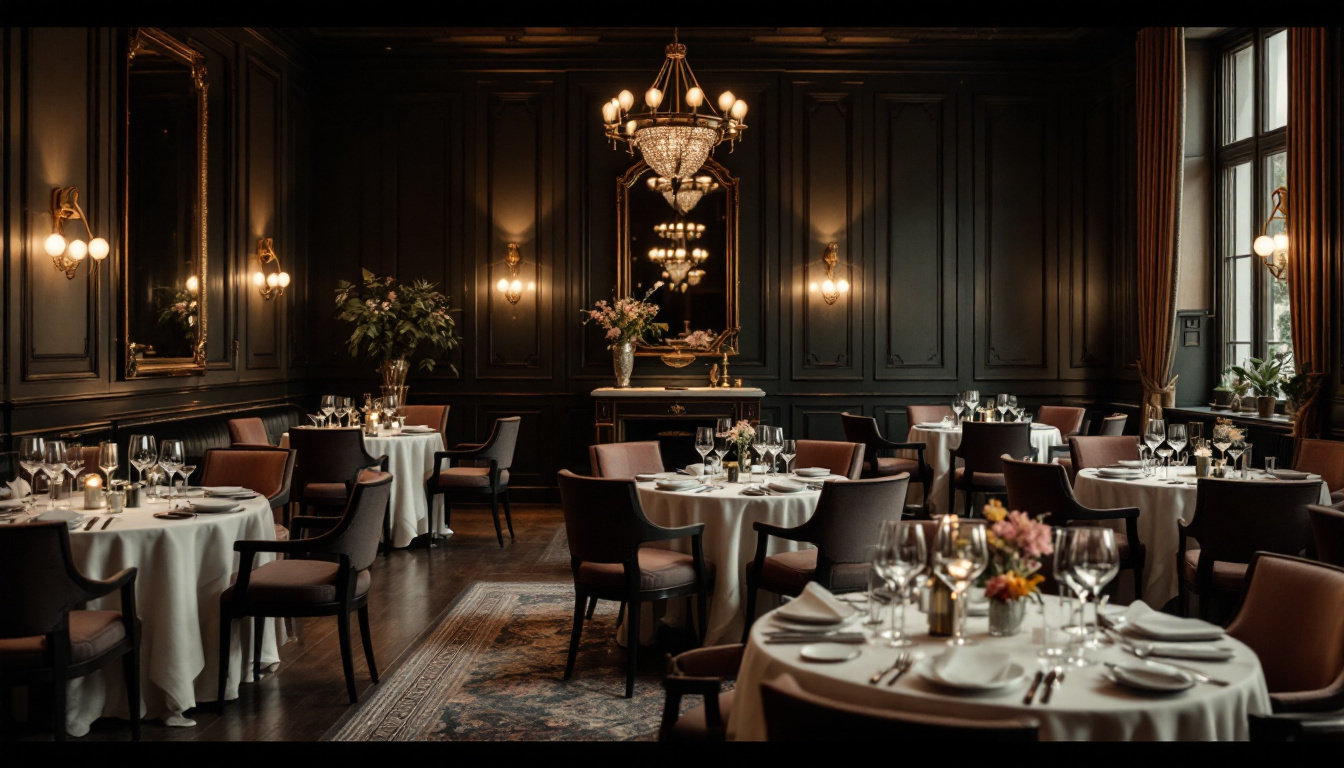
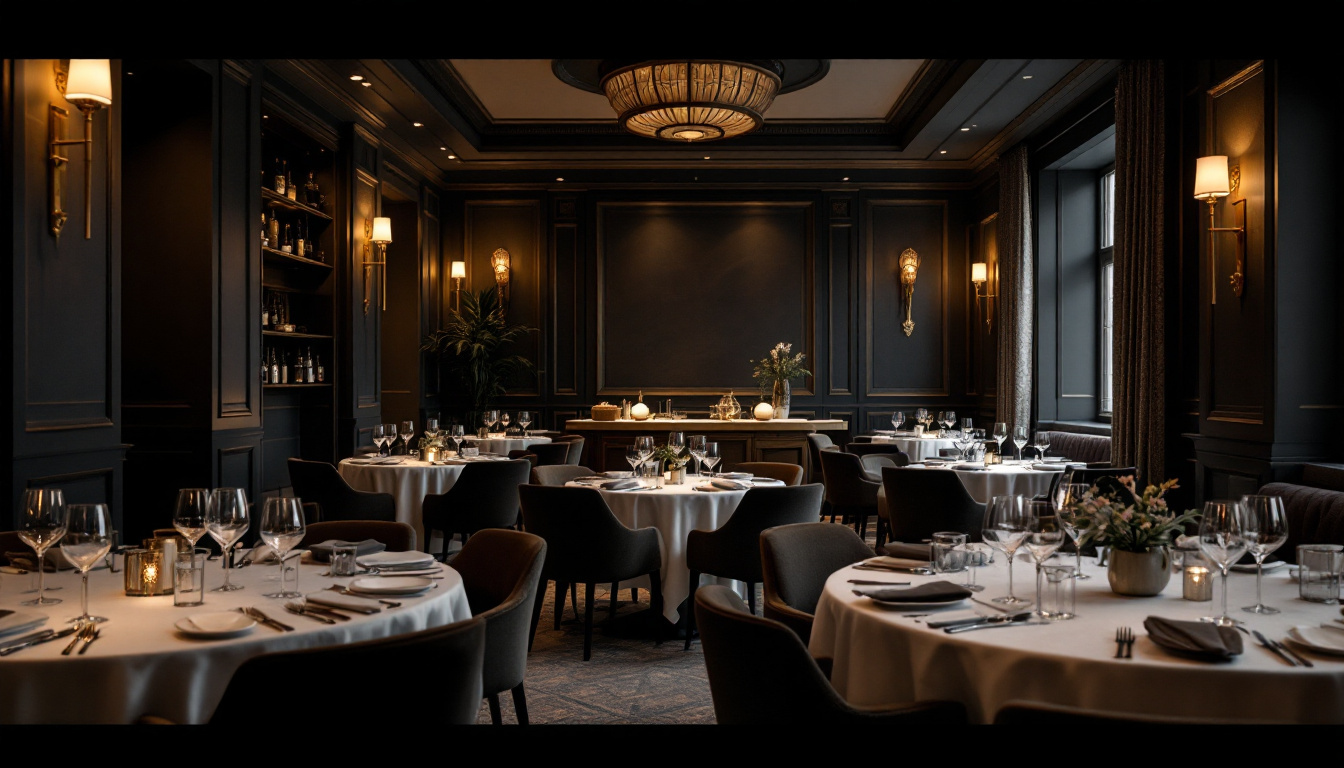
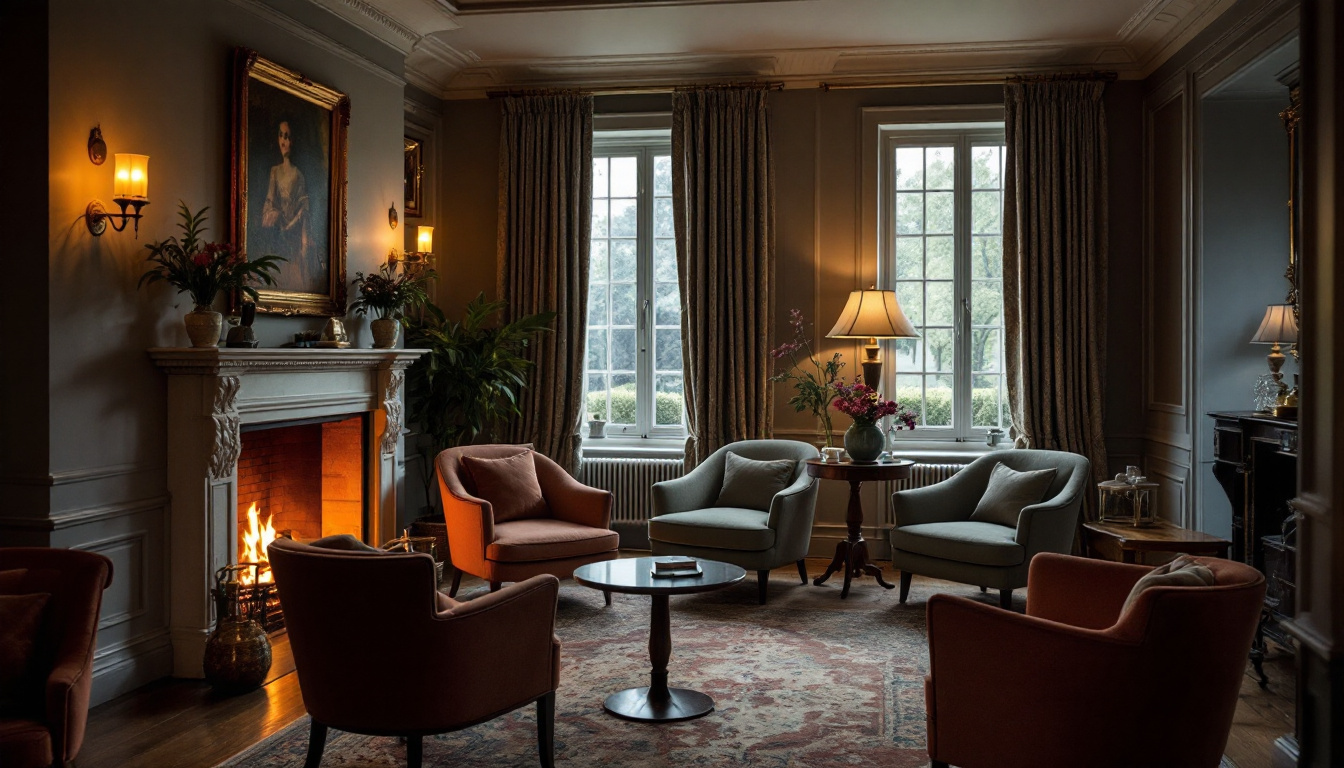
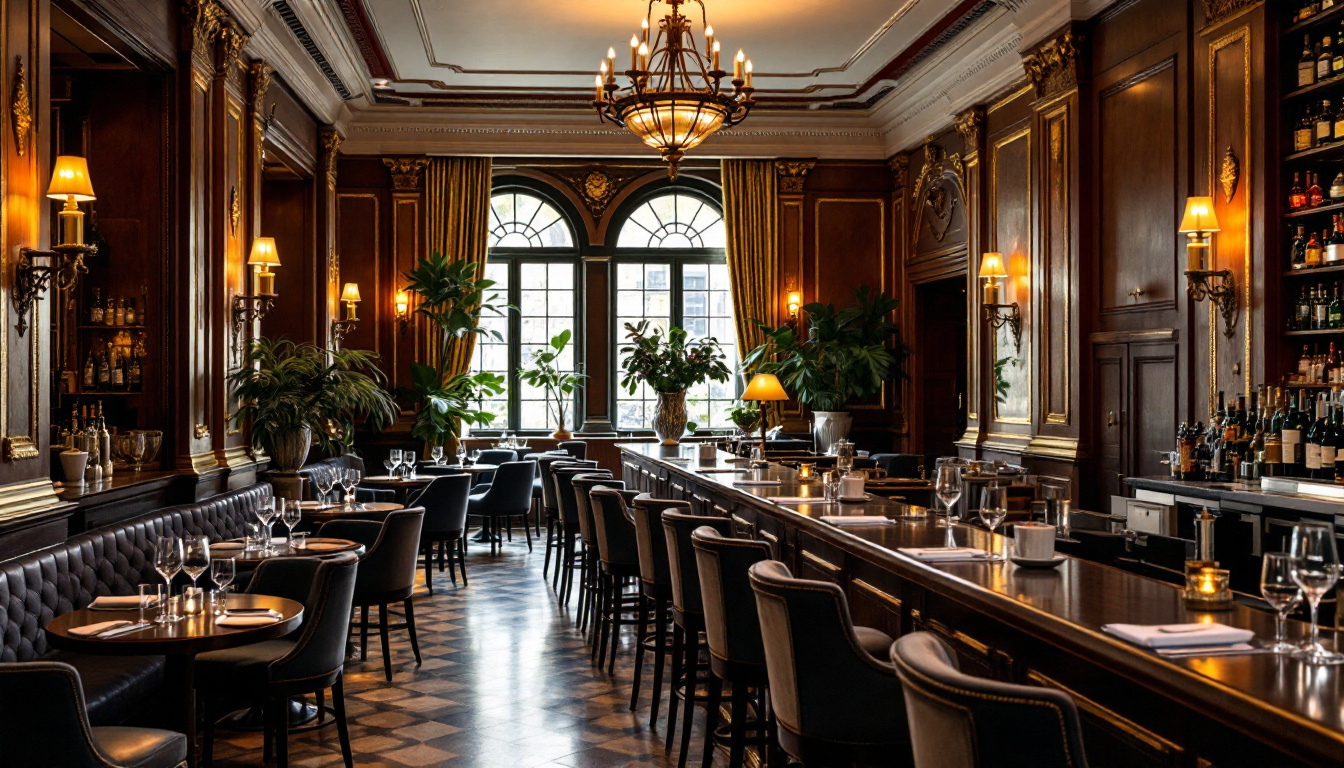
Casa Cipriani opened in 2021 inside the Battery Maritime Building, a 1909 Beaux-Arts ferry terminal at Manhattan’s southern tip, restored at considerable expense. The Cipriani group’s design language — deep colours, brass, velvet, the deliberate evocation of a transatlantic liner’s first-class deck — is executed here with total conviction. The rooms feel transporting in the literal sense; the waterfront aspect, rare to the point of unique among Manhattan clubs, gives the building light and views nothing inland can match.
The substance is genuinely high. The reservation is that the design, for all its quality, is a single sustained note — glamour — with less of the textural variation that the best clubs use to support different moods across an evening. It is spectacular; it is not especially restful.
Execution: Cipriani does what Cipriani does
The food and beverage operation runs on the Cipriani playbook: a confident Italian kitchen, the signature Bellinis, a bar program built for volume and theatre. On our visit the cooking was reliable and well-executed within its idiom — this is not a kitchen reaching for invention, and it does not need to be. The Jazz Café and the bars are the operational heart, and they run smoothly. Execution scores solidly; the ceiling is the deliberately conservative culinary ambition.
Service: polished, but reading the room’s status
Service was professional and well-drilled, in the Cipriani tradition. For a member’s guest the welcome was efficient. Our reservation, consistent with the club’s tempo, is that the service is calibrated to a scene and reads the room’s status accordingly — attentive, but visibly aware of who matters on a given night. This is honest to what Casa Cipriani is, and members who want exactly this glamorous, high-energy register will be well served. It costs a fraction of a point against the disappearing-service ideal.
Setting and tempo
The setting is the highest score we award in the New York cohort — the harbour, the restored terminal, the terraces and rooftop. There is nothing else like it downtown. The tempo, however, is the club’s defining tension: this is an evening-led, music-driven, late operation, and the energy that makes it exhilarating also makes it the opposite of a private retreat. The well-publicised departures from its membership rolls — including high-profile names — read to us as a symptom of exactly this: a club that is brilliant as a destination and harder to love as a sanctuary. We score the setting near the top and treat the tempo as a polarising trait.
Membership criteria and admission
Casa Cipriani trades on the Cipriani name as much as on any formal admissions criteria. The family’s century-long hospitality lineage — Harry’s Bar in Venice and a long line of Cipriani venues — gives the club a built-in identity and a membership drawn toward the glamorous, the well-travelled and the social. Reported dues and initiation figures (see below) sit at a level that screens for affluence, and the membership skews toward people who want the Cipriani milieu rendered as a private club. The well-documented churn — including high-profile departures — is, in our reading, a function of the club’s identity rather than an admissions failure: people who join for a glamorous destination and find a high-tempo, scene-driven room sometimes discover it is not the sanctuary they wanted. The international dimension matters too, with a sibling Casa Cipriani in Milan extending the membership’s reach. For a prospective member, the honest question is whether the Cipriani brand of glamour is what you want a club to be — because that, more than any vetting committee, defines who belongs here.
Operating tempo and daily use
The tempo is the club’s defining characteristic and the source of its polarising reputation. Casa Cipriani is an evening-and-night operation at heart, with music, the Jazz Café and the bars driving an energy that peaks late. The hotel rooms and terraces add some daytime and overnight life, but the club’s centre of gravity is the glamorous evening rather than the working day. This is exhilarating for the member who wants exactly that and limiting for the member seeking a calm, all-day retreat — and the contrast with a club like CORE: or Spring Place, built for daytime utility, could not be sharper. The waterfront terraces are at their best on summer evenings, when the harbour setting and the high-tempo energy align into something genuinely memorable.
Membership economics
Reported figures put annual dues near $3,900 with an initiation fee around $2,000 and reduced rates for younger members; we flag these as reported and advise confirming directly. On value, the dues are not unreasonable for the setting, but the proposition is event-driven — you are paying for access to one of the city’s most striking rooms, and the value follows entirely from how much you use the spectacle. For the right member, it prices fairly; for one seeking quiet utility, it does not.
Scoring against The Premium Standard
| Dimension | Weight | Score (/20) | Contribution |
|---|---|---|---|
| Substance (principal rooms) | 30% | 17.5 | 5.25 |
| Execution | 25% | 16.0 | 4.00 |
| Service | 20% | 15.5 | 3.10 |
| Setting | 15% | 19.5 | 2.93 |
| Value / membership economics | 10% | 12.2 | 1.22 |
Weighted total: 16.5 / 20.
Casa Cipriani is, on setting alone, one of the most extraordinary club spaces in America, and the design commitment is total. What keeps it short of the top is the gap between its theatrical, high-tempo reality and the sanctuary that the best private clubs provide — a gap the membership volatility quietly confirms. For the member who wants the most glamorous waterfront room in New York and will use it as such, it is close to unrivalled. For the member who wants a club to disappear into, it is the wrong instrument.
The Premium Standard: 16.5 / 20
Verification
Every factual claim in this review was checked against external sources before publication, on 2026-03-15. Where a figure could not be independently confirmed, it is described in approximate terms in the text. To challenge a fact, write to corrections@premiumtravelreview.com.
Frequently asked questions
- When did Casa Cipriani open?
- Casa Cipriani New York opened in 2021 in the restored Battery Maritime Building at the southern tip of Manhattan.
- How much is Casa Cipriani membership?
- Reported figures put annual dues near $3,900 with an initiation fee around $2,000, with reduced rates for younger members. Confirm current terms with the club.
- Who operates Casa Cipriani?
- The Cipriani family hospitality group, known for Harry's Bar and a long line of Cipriani venues. There is also a Casa Cipriani in Milan.
- Is there a hotel at Casa Cipriani?
- Yes. The building houses a boutique hotel of roughly 47 rooms and suites alongside the members' club, restaurant, bars and outdoor terraces.