The verdict Soho House New York remains a likeable, well-located creative-industries club with an iconic rooftop, but two decades of membership growth and group-wide scale have eroded the exclusivity and intimacy that the premium tier of this category rewards.
The verdict first: Soho House New York is a likeable, well-located, genuinely pleasant club that effectively invented the modern creative-industries members’-house in America — and, two decades on, it is also the clearest illustration of how scale erodes the very exclusivity that the premium tier of this category rewards. The Meatpacking warehouse that became the first US Soho House in 2003 turned twenty in 2023, and our reassessment, conducted across an evening as a member’s guest, finds a club that remains charming and useful but that the broader group’s enormous growth has unmistakably diluted. The score reflects an honest comparison against the single-house clubs in this cohort, not against Soho House’s own peer group of large hospitality brands.
The principals: the warehouse that started it
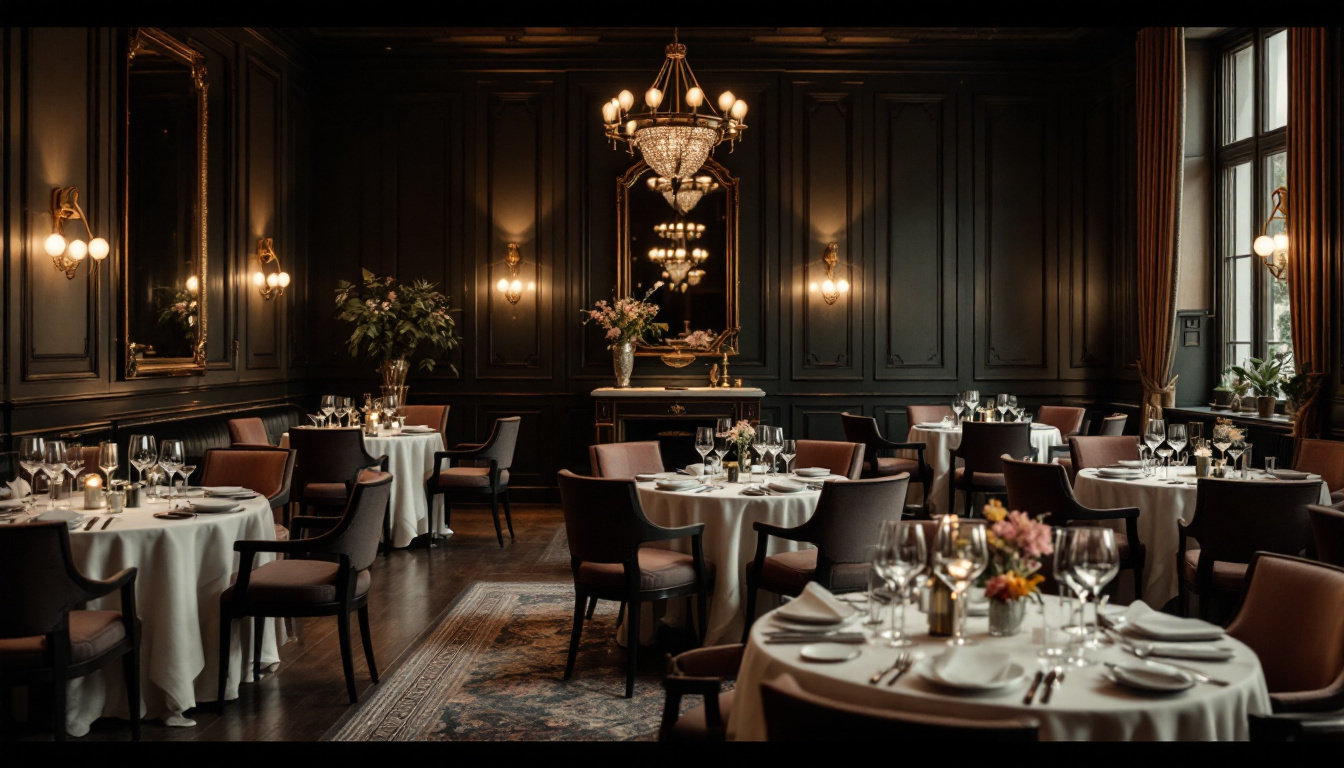
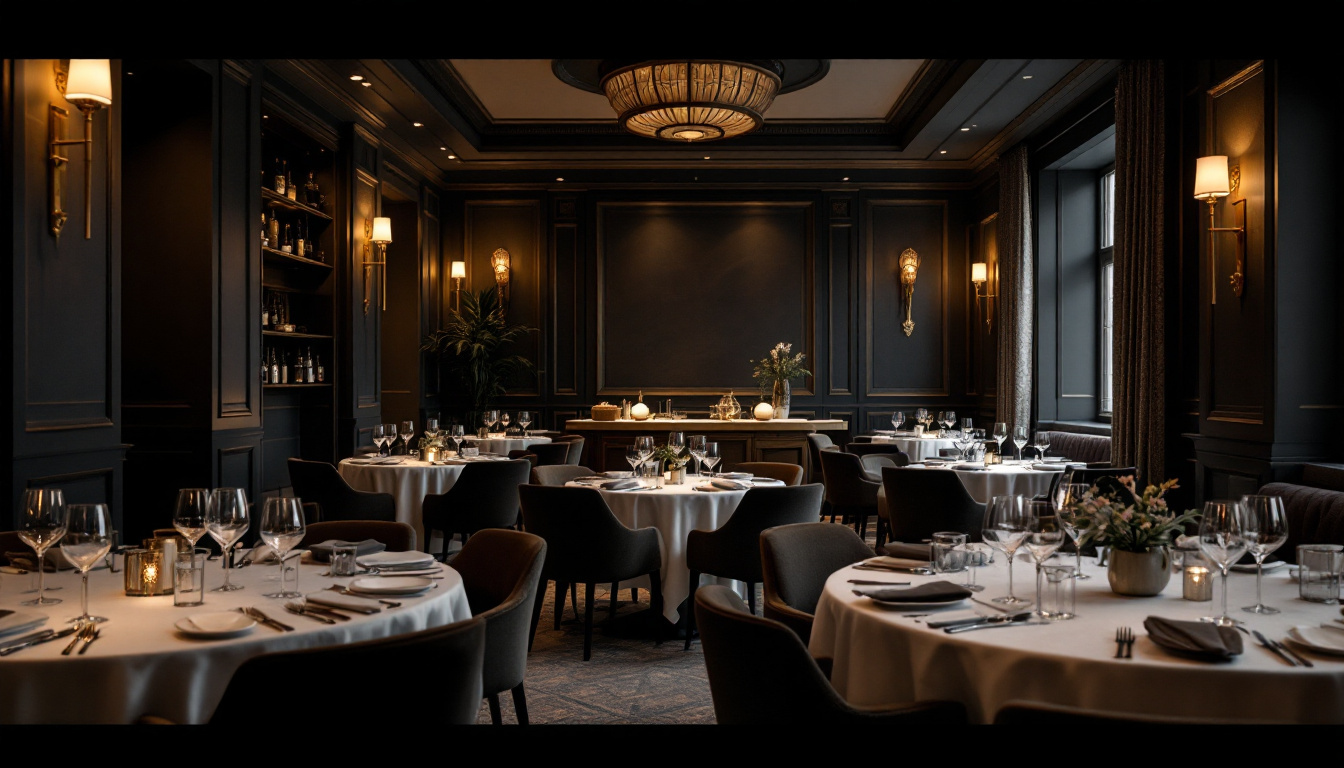
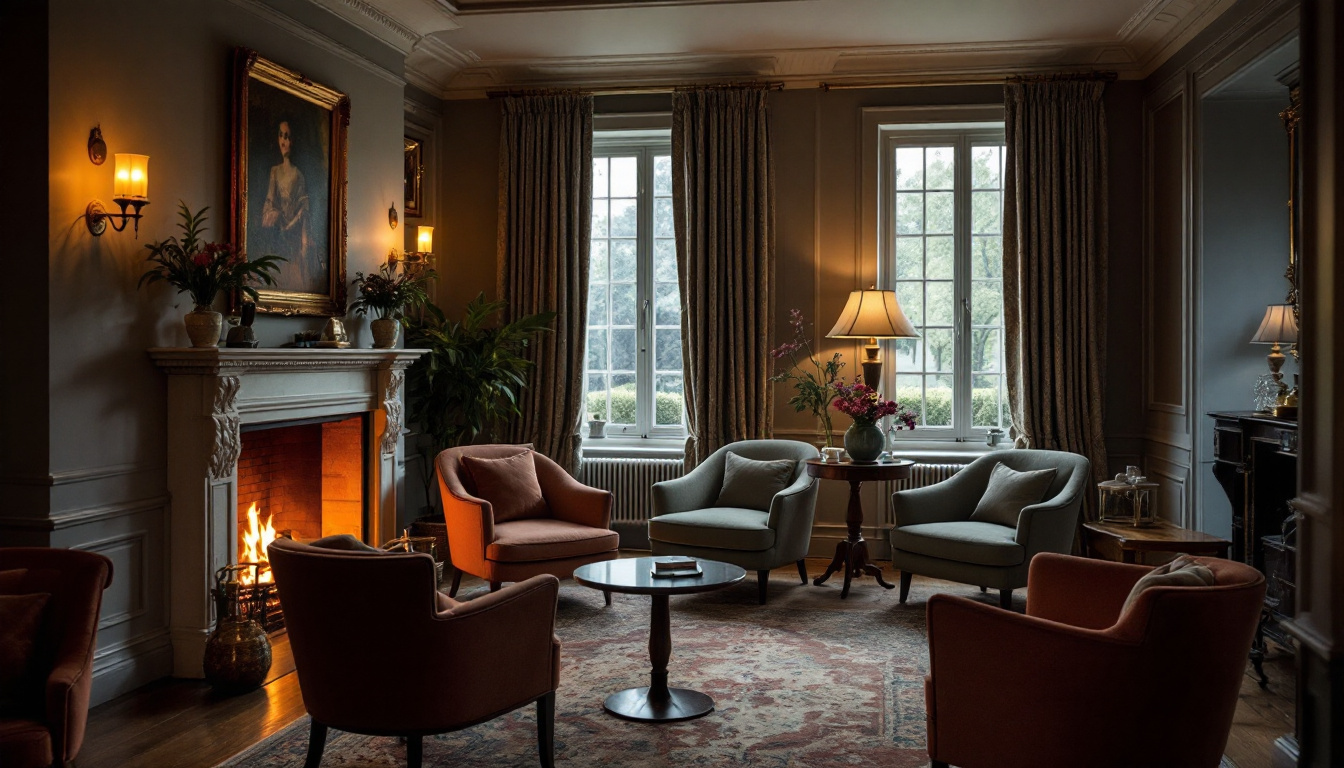
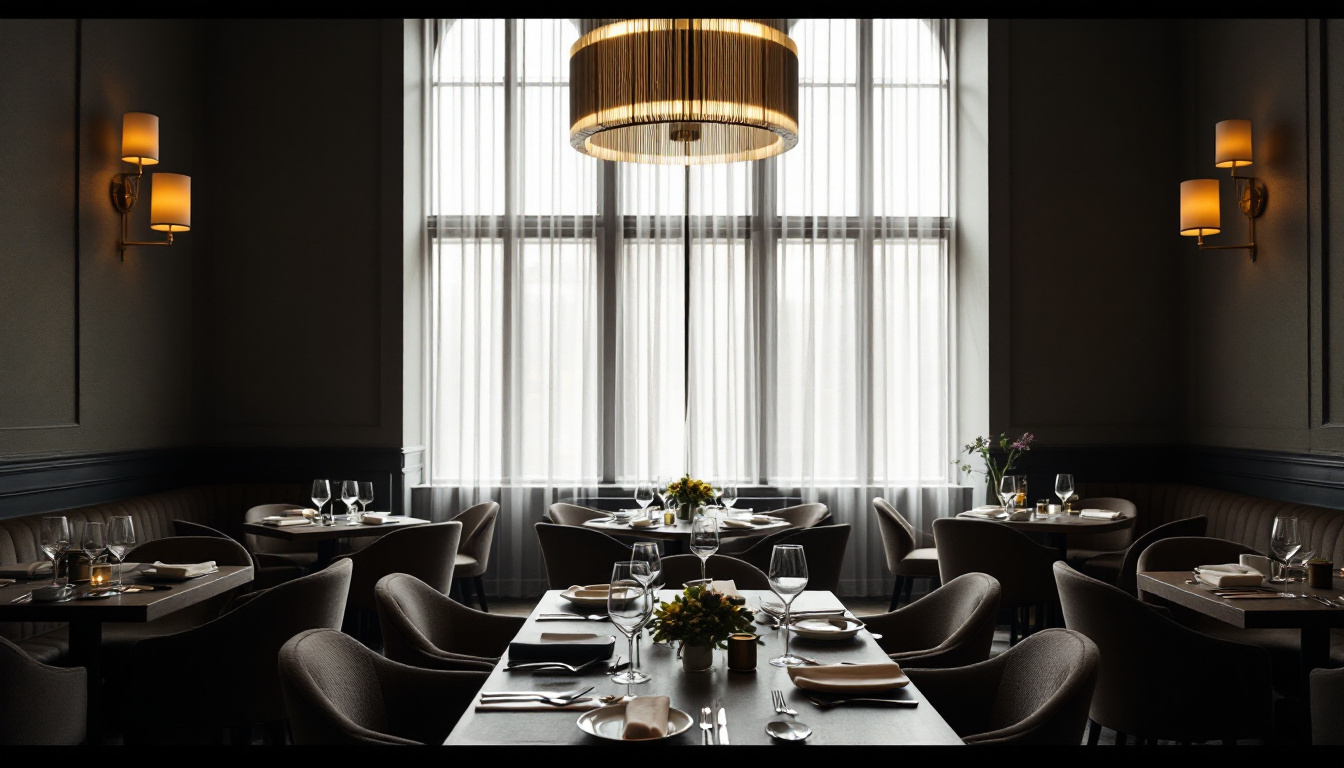
Soho House New York occupies a converted warehouse in the Meatpacking District, the brand’s first US outpost, opened in 2003. The interiors are the familiar Soho House language — vintage furniture, layered textiles, a deliberately lived-in, eclectic warmth — and at their best they are genuinely comfortable and unstuffy. The principal draws are the heated rooftop pool and bar, a 44-seat screening room, the Cowshed spa and the club’s various lounges.
The substance is good but, by 2026 standards and against this cohort, no longer distinctive. The look that felt fresh in 2003 has been so widely imitated — including by Soho House itself across dozens of houses — that the original now reads as the template rather than the standout. The building shows its two decades, and a recent refresh has improved but not transformed it. We score substance moderately: pleasant and functional, no longer singular.
Execution: dependable group standard
The food and beverage runs to a dependable Soho House group standard — competent, broad, reliable, rarely a destination in itself. On our visit the cooking was fine and the bars well-run; this is execution engineered for consistency across a global estate rather than for peaks at any single house. That is sensible operationally and unremarkable experientially. Execution scores moderately, reflecting reliable but unambitious delivery.
Service: friendly, high-volume, impersonal
Service was friendly but visibly managing volume. The scale of the membership and the throughput of the building mean the floor cannot offer the personal, anticipatory service of a small club; for a member’s guest, the experience was pleasant but processed. This is the structural cost that recurs across the large-format clubs in our cohort, and Soho House — the largest-format of them — pays it most. Service scores moderately, with the caveat that the staff themselves were warm; the limitation is the model, not the people.
Setting and tempo
The Meatpacking setting and the rooftop remain genuine assets — the pool and the rooftop bar are still among the more enjoyable club spaces in the neighbourhood, and on a summer evening the appeal is obvious. The tempo is broad and busy, creative-industries-social, leaning evening. We score the setting respectably, held down by the fact that the rooftop, once a rarity, now competes with a city full of imitators and with newer, more spectacular club roofs. The tempo is energetic but not exclusive.
Membership criteria and admission
Soho House’s admissions remain nominally oriented toward the creative industries — film, media, art, design — and applications are committee-reviewed against that framing. But the defining fact of Soho House membership in 2026 is scale: with dozens of houses globally and a membership numbering in the tens of thousands, the creative-industries filter is far broader and more porous than the single-house clubs in this cohort. The result is a membership that is genuinely diverse and international but no longer rarefied — the opposite of the Birley or San Vicente model, where the door is the product. This is the democratising achievement that built Soho House into a global brand, and it is simultaneously the reason the original New York house no longer feels exclusive. For a prospective member, the honest framing is that you are joining a large, well-run network oriented toward creative professionals, not a tightly curated room — and whether that is the right trade depends entirely on whether you value access and reach over rarity.
Operating tempo and daily use
The tempo is broad and busy, creative-industries-social, leaning toward the evening but with real daytime use as a work-and-meet space — a pattern Soho House helped popularise before the dedicated work-clubs formalised it. The rooftop drives the summer-evening energy; the lounges and the spa support daytime use. The signal feature of the membership, though, is the multi-house access: a New York member can use houses worldwide, which gives the tempo a geographic rather than purely temporal breadth. For the travelling creative who genuinely uses the network across cities, this is the strongest part of the proposition; for a member who wants a singular New York room and rarely leaves it, the global model adds little and the local dilution costs much.
Membership economics
Soho House membership operates on a tiered, multi-house model that is, by category standards, comparatively accessible — which is the brand’s democratising achievement and, simultaneously, the reason it scores lower on the exclusivity that this premium category prizes. We decline to publish specific current figures, which vary by tier and region. On value, the multi-house access is a real benefit for members who travel and use the global network, and for them the value is strong; for a member seeking a singular, exclusive New York room, the same accessibility undercuts the proposition. We score value moderately, tilted by which member is asking.
Scoring against The Premium Standard
| Dimension | Weight | Score (/20) | Contribution |
|---|---|---|---|
| Substance (principal rooms) | 30% | 15.0 | 4.50 |
| Execution | 25% | 14.5 | 3.63 |
| Service | 20% | 14.0 | 2.80 |
| Setting | 15% | 16.0 | 2.40 |
| Value / membership economics | 10% | 16.7 | 1.67 |
Weighted total: 15.0 / 20.
Soho House New York is not a club we dislike — it is warm, well-located and historically important, and for the travelling creative who values the global network it remains a sensible membership. But assessed against the single-house clubs in this cohort, the scale that built Soho House into a global brand is the same scale that has thinned its exclusivity, its service intimacy and its design distinctiveness. The original house is now the template, and the template, twenty years on, is the most replicated thing in the category. The score is the honest cost of that ubiquity.
The Premium Standard: 15.0 / 20
Verification
Every factual claim in this review was checked against external sources before publication, on 2026-03-12. Where a figure could not be independently confirmed, it is described in approximate terms in the text. To challenge a fact, write to corrections@premiumtravelreview.com.
Frequently asked questions
- When did Soho House New York open?
- It opened in 2003 in a former warehouse in the Meatpacking District, the first Soho House location in the United States.
- Who founded Soho House?
- Nick Jones founded the first Soho House in London in 1995 as a club for people in the creative industries; the brand has since expanded globally.
- What is Soho House New York known for?
- Its heated rooftop pool, the rooftop bar, a 44-seat screening room and a Cowshed spa, along with its creative-industries membership orientation.
- Is Soho House membership exclusive?
- Membership is committee-reviewed and oriented to creative fields, but the global scale of the group means it is far broader and more accessible than the single-house private clubs in this category.