The verdict The Arts Club is a rare members' club where a real historical mandate survives a modern luxury overhaul; strong on substance and food, slightly compromised where the heritage and the glamour pull against each other.
The verdict first: The Arts Club is the most successful reconciliation in London of a genuine historical mandate and a contemporary luxury operation — a club founded in 1863 for people in the creative arts that has, over the past decade, been polished into a glossy Mayfair destination without entirely losing the thread of what it was for. We assessed it across an afternoon and evening as a member’s guest, taking in the principal rooms, the gallery-hung circulation spaces and dinner at Kyubi. The result is a high score with a specific, identifiable tension running through it.
The principals: heritage with a recent gloss
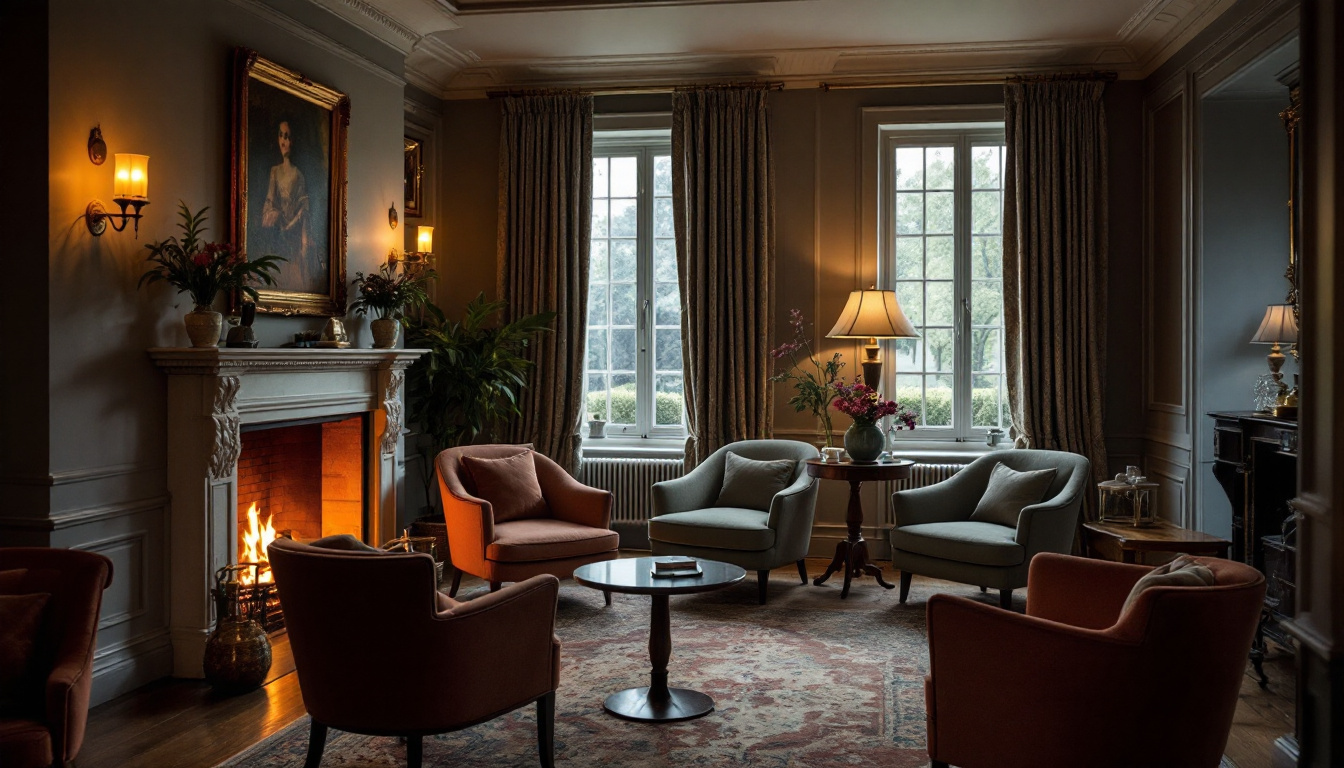
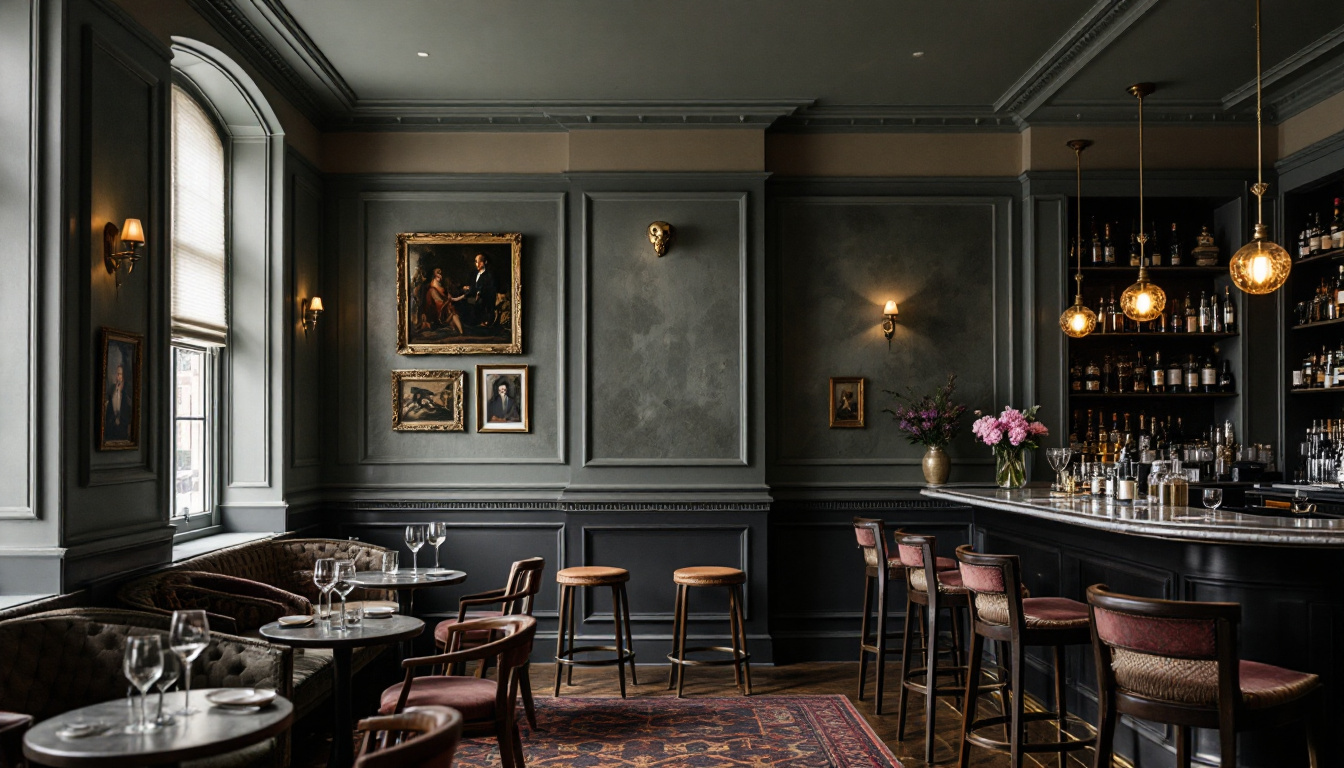
The Arts Club was founded in 1863 — Dickens, Trollope and Leighton are among the names attached to its early history — and has occupied 40 Dover Street since 1893. That continuity is real and it shows: the club’s circulation spaces are hung with art, the rooms carry the proportions of a serious Victorian institution, and there is a depth of place that newer clubs cannot manufacture.
What has changed is the finish. Under Gary Landesberg’s decade-long repositioning as executive chairman — which also produced The Arts Club Dubai — the building was brought to a contemporary luxury standard, brighter and more glamorous than its heritage alone would suggest. The substance is strong: the rooms are genuinely good, the art is genuinely present, and the scale gives the club a range of moods that smaller rivals lack. The deduction is subtle — in places the modern gloss sits slightly uneasily on the Victorian bones, and the club occasionally reads as two ideas sharing an address.
Execution: Kyubi carries it
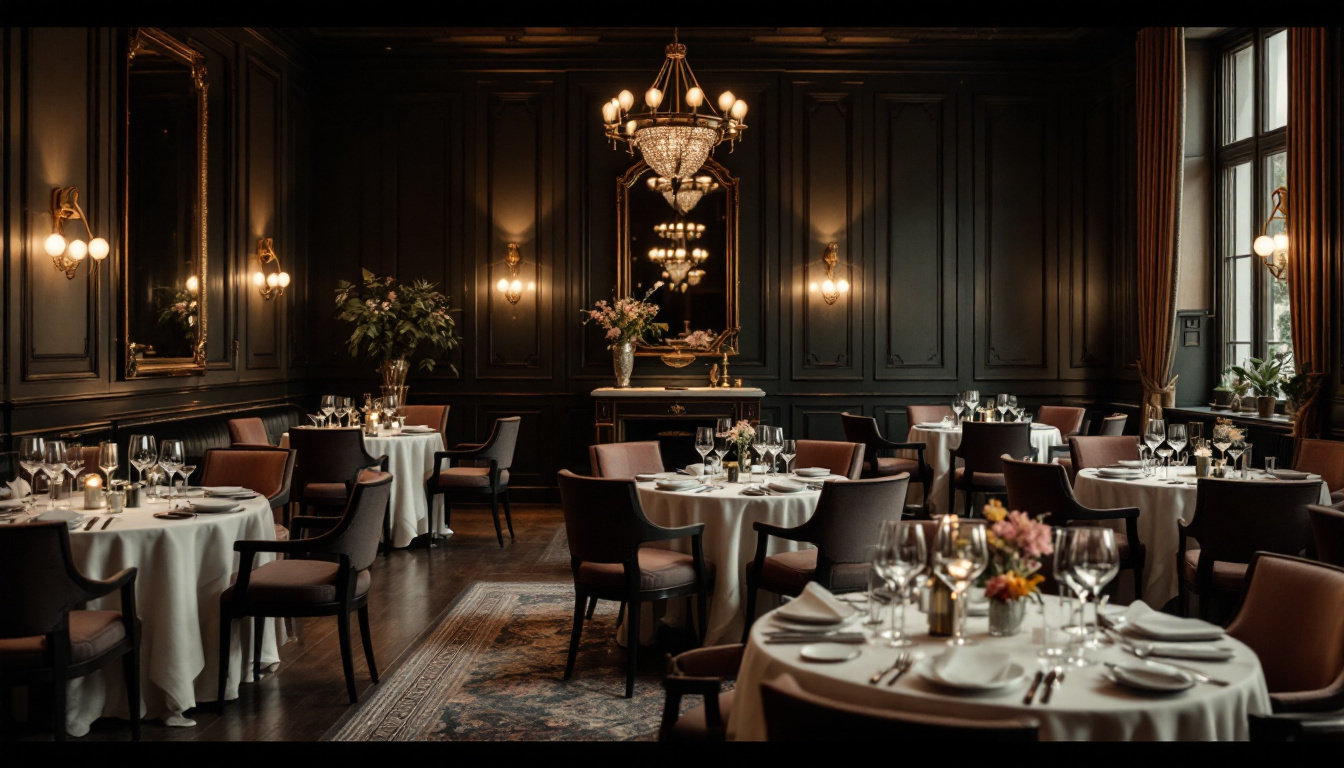
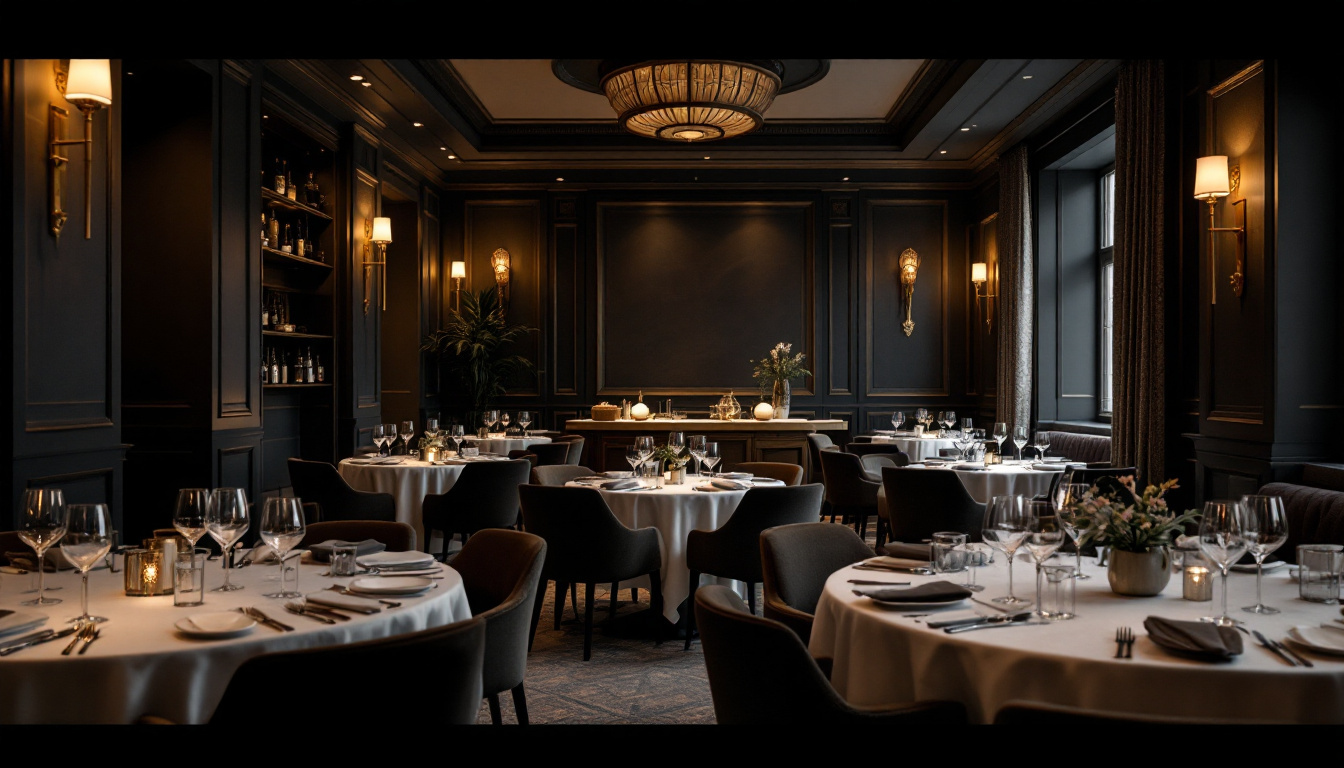
Dinner at Kyubi, the club’s Japanese-fusion room, was the high point of the assessment. The cooking was precise, the produce excellent, and the room itself one of the better-realised dining spaces in any London club. This is a kitchen operating at a level that would hold its own as a standalone Mayfair restaurant, which is not something one can say of every club dining room.
Across the rest of the operation, execution was consistent and well-judged. The deductions are minor and largely about the breadth of an operation this size — at scale, consistency is harder, and we noted a small gap between the headline room and the everyday service points.
Service: professional, attentive, a touch corporate
Service was uniformly competent and attentive, with the polish one expects of an operation that has been professionalised over a decade. For a member’s guest, the welcome was efficient and warm. The reservation we have is one of register rather than quality: the service reads slightly more hotel-luxury than club-intimate, a consequence of the same modernisation that lifted the rooms. It is excellent service; it is not quite the disappearing, residential service of the most discreet London clubs.
Setting and tempo
The setting is genuinely strong — the art on the walls is not set-dressing but a continuation of the club’s founding purpose, and the building’s scale supports everything from quiet afternoon work to a busy dinner service. The tempo is broad: this is a club that functions across the day rather than only as an evening destination, which is a meaningful point in its favour and distinguishes it from the dinner-and-after Birley clubs. Setting scores well, held just below the very top by the occasional tension between old and new.
Membership criteria and admission
The Arts Club’s admissions retain a genuine connection to its founding purpose. Membership is by invitation or member introduction and subject to committee approval, and the creative-arts orientation — established in 1863 with figures like Dickens, Trollope and Leighton — still functions as a real filter rather than mere heritage branding. The club draws members both professionally involved in the arts and patrons of them, which produces a membership mix distinct from the finance-and-media rooms elsewhere in our cohort. On our visit this orientation was tangible: the art on the walls is treated as a continuation of the club’s reason for existing rather than as decoration, and the programming reflects a real cultural mandate. The modern repositioning broadened the club’s appeal toward general Mayfair luxury, and there is a fair debate about whether that has diluted the original creative focus — but the heritage remains load-bearing in a way that newer clubs cannot replicate at any price.
Operating tempo and daily use
The Arts Club operates across a genuinely broad tempo, which is one of its strongest practical advantages. It functions as an all-day institution — quiet work and conversation by day, the cultural programming through the week, and a busy dinner service at Kyubi and the other rooms in the evening. This breadth distinguishes it sharply from the dinner-and-after Birley clubs, which essentially come alive only at night. For a member who wants a Mayfair club to use across the whole day and week rather than as an evening destination, The Arts Club’s tempo is among the most accommodating in the area, and the all-day utility materially strengthens the value case.
Membership economics
Membership is by invitation and committee approval, with the creative-arts orientation still functioning as a genuine admissions filter rather than a marketing line. We decline to publish a specific fee we cannot reliably source; the club does not make its current terms broadly public. On value, the breadth of use — all-day operation, a serious restaurant, real cultural programming — makes a stronger everyday case than the evening-only clubs, which we credit.
Scoring against The Premium Standard
| Dimension | Weight | Score (/20) | Contribution |
|---|---|---|---|
| Substance (principal rooms) | 30% | 17.5 | 5.25 |
| Execution | 25% | 17.5 | 4.38 |
| Service | 20% | 16.5 | 3.30 |
| Setting | 15% | 17.0 | 2.55 |
| Value / membership economics | 10% | 15.2 | 1.52 |
Weighted total: 17.0 / 20.
The Arts Club’s strength is that it is the rare members’ club where the heritage is load-bearing rather than decorative. Its limitation is the seam, visible in places, where a 19th-century institution meets a 21st-century luxury operation. For a member who wants a club with all-day utility, a real restaurant and an authentic cultural identity, it is one of the strongest propositions in Mayfair.
The Premium Standard: 17.0 / 20
Verification
Every factual claim in this review was checked against external sources before publication, on 2026-04-15. Where a figure could not be independently confirmed, it is described in approximate terms in the text. To challenge a fact, write to corrections@premiumtravelreview.com.
Frequently asked questions
- When was The Arts Club founded?
- It was founded in 1863, with Charles Dickens, Anthony Trollope and Frederic Leighton among its early figures. It moved to 40 Dover Street, Mayfair, in 1893 and has remained there since.
- Who repositioned The Arts Club?
- Gary Landesberg led the club's modern repositioning over roughly a decade as executive chairman, including the opening of The Arts Club Dubai, before moving on to a new venture.
- What is the restaurant at The Arts Club?
- Kyubi, a Japanese-fusion restaurant, is the club's headline dining room and is open to members and their guests.
- How do you join The Arts Club?
- Membership is by invitation or member introduction and subject to committee approval; the club retains a creative-arts orientation in its admissions.