The verdict 5 Hertford Street is the benchmark for discreet, residential-feel members' clubs in London; substance and service are exceptional, and only its deliberate opacity and the spend it implies keep it from a perfect read.
The verdict first: 5 Hertford Street is the most complete expression in London of the idea that a private club’s first duty is to make its members disappear. There is no sign of consequence, no website to speak of, and a culture of discretion so thorough that the club’s reputation is built almost entirely on word of mouth among people who already belong. We assessed it across an evening as a member’s guest — drinks in the warren of ground-floor rooms, dinner, and a late descent into Loulou’s — and came away convinced that the opacity is not affectation. It is the product.
This is the highest score we award in the London cohort, and the reasons are structural.
The principals: a townhouse that behaves like a private home
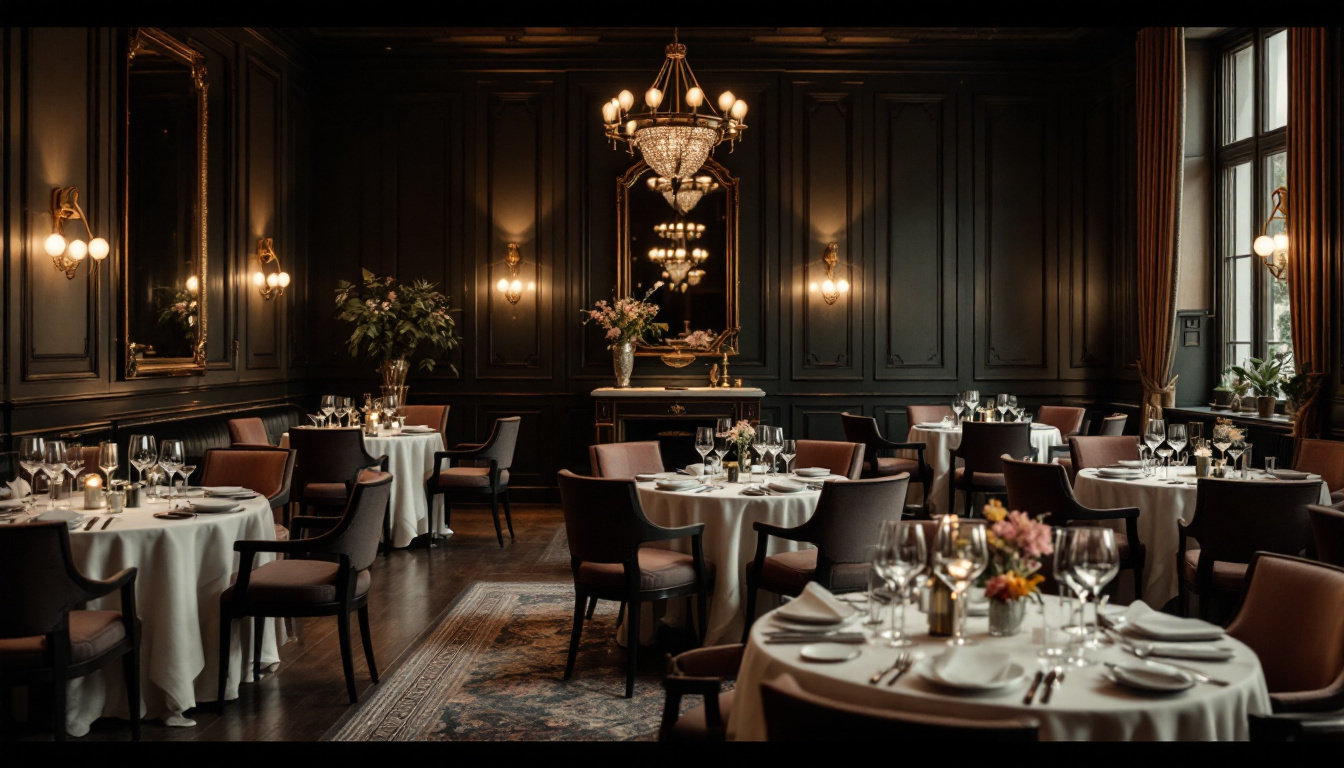
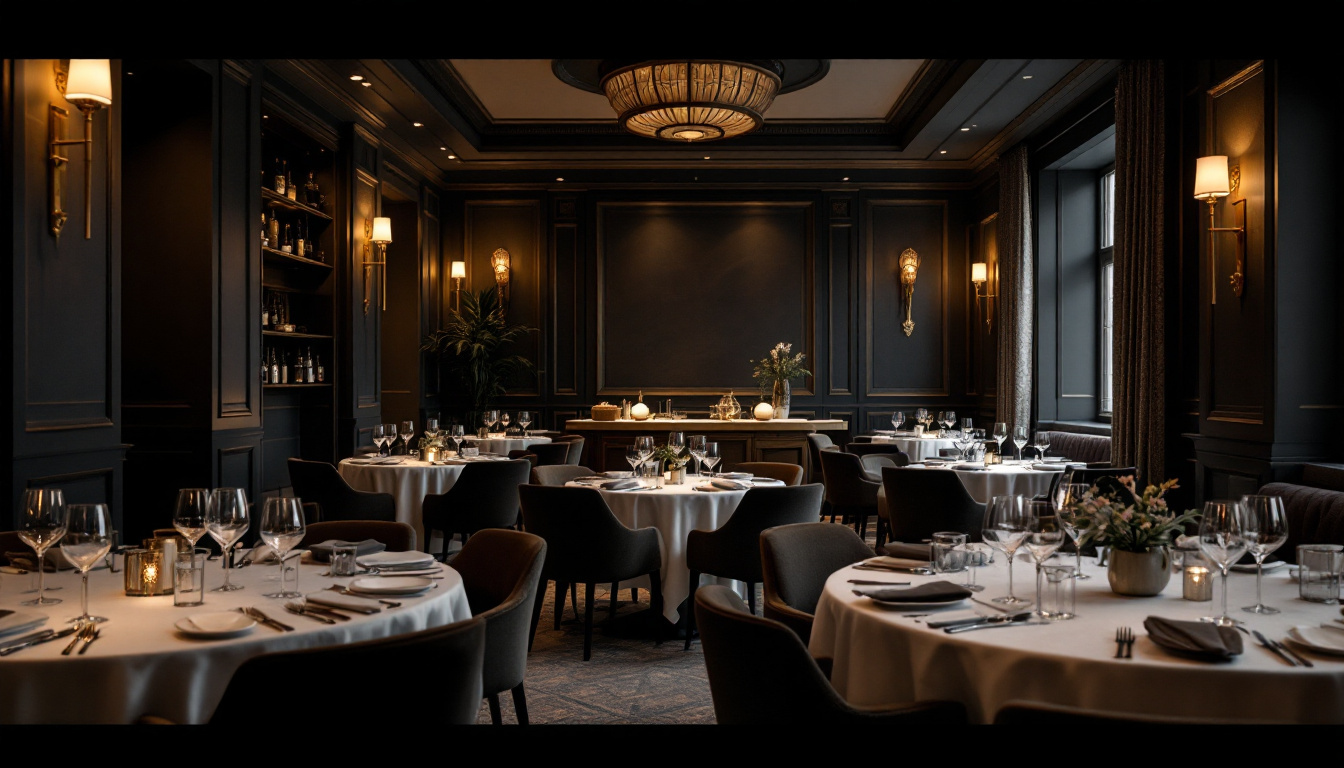
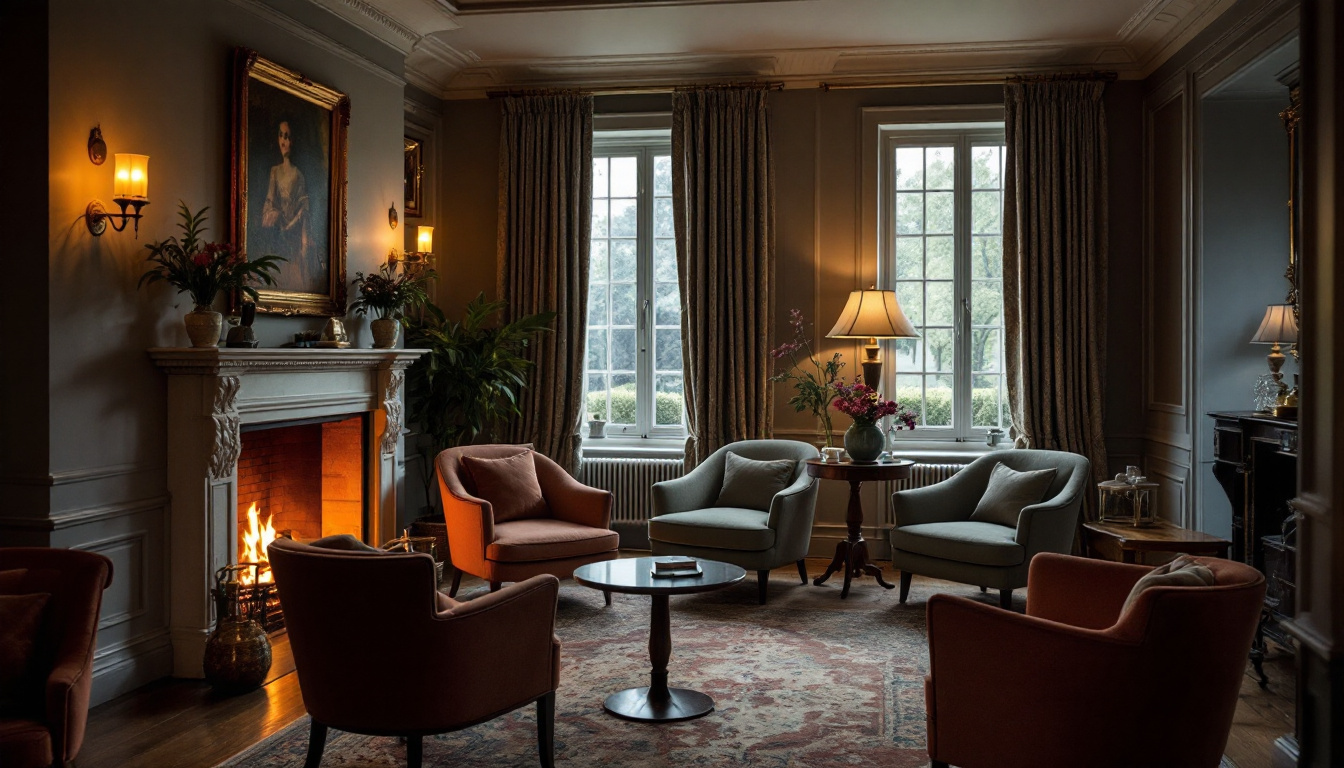
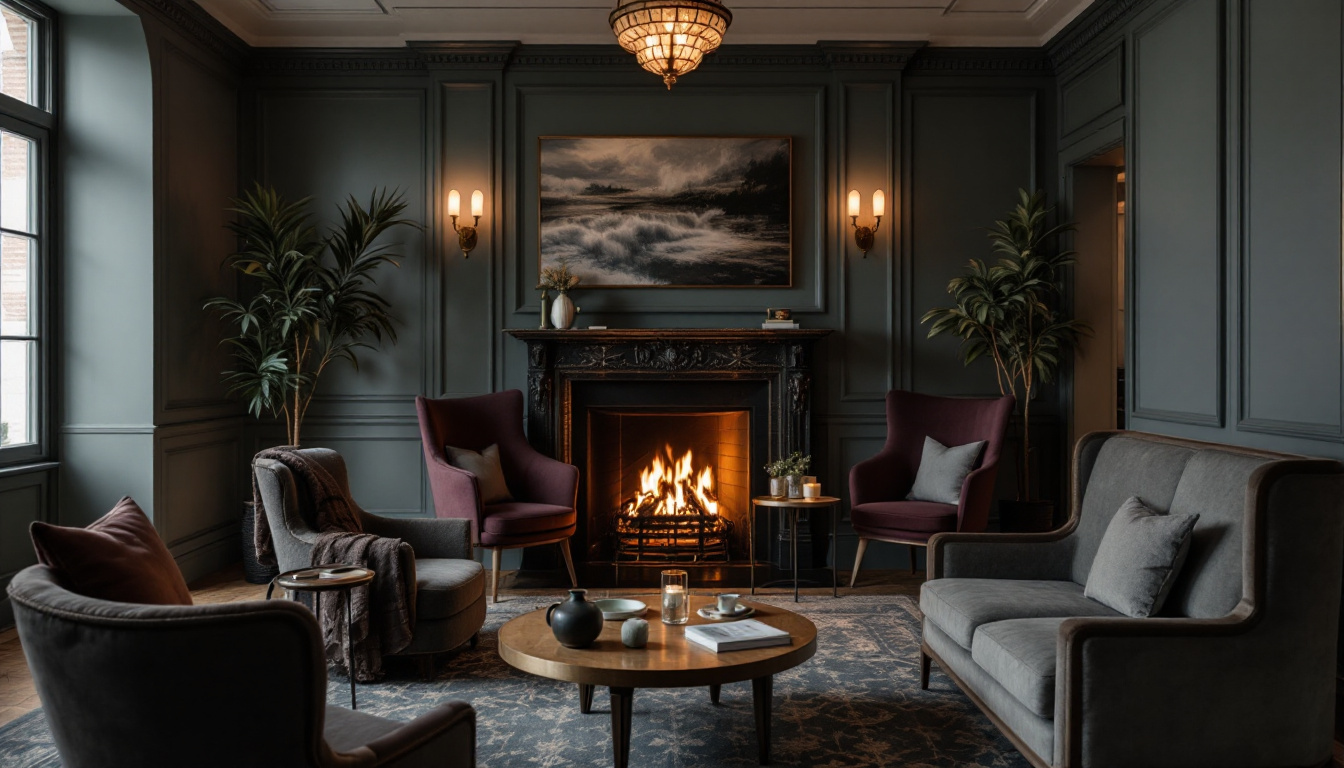
Opened in June 2012 by Robin Birley — whose father, Mark Birley, created Annabel’s — 5 Hertford Street occupies a Mayfair townhouse arranged as a sequence of small, intimate rooms rather than grand set-pieces. This is the deliberate opposite of his father’s club across Berkeley Square. Where Annabel’s escalates toward spectacle, Hertford Street recedes into a series of low-lit, densely decorated salons that feel less like a venue and more like the home of a collector with excellent and slightly eccentric taste.
The strength of the substance is exactly this fragmentation. No single room dominates; the experience is the movement between them, and the scale of each keeps conversation possible and recognition low. For members who value the ability to dine without being seen — and a meaningful number of them are precisely the kind of people who cannot do so anywhere else in London — the architecture is the privacy.
Execution: classic, unshowy, consistent
The kitchen across the evening was excellent in the most unfashionable way: classic European cooking, precisely seasoned, plated without theatre, designed to be eaten in low light by people not photographing it. There is a confidence in a club that declines to chase culinary trends, and Hertford Street has it. The wine list is serious and deep. Service of food was unhurried and correctly paced for a club where dinner runs long.
Execution scores very highly. The deductions, such as they are, come from the room’s deliberate darkness occasionally working against the food rather than for it — a minor, almost pedantic complaint.
Service: the best kind, because it disappears
This is where Hertford Street separates itself. The service is warm, fast, and — crucially — status-blind in a way that the more scene-driven clubs are not. The floor treats a member’s guest with the same evenness as the member. There is no visible ranking of tables, no choreography of who gets seen. For a club that could easily trade on its membership’s fame, the refusal to perform that hierarchy is the single most impressive thing about the operation.
It is, in our assessment, the closest London comes to the ideal of club service: present, anticipatory, and entirely uninterested in who you are.
Setting and tempo
Loulou’s, the basement nightclub named for Birley’s late cousin Loulou de la Falaise, is the engine of the late tempo and one of the most genuinely exclusive rooms in the city. Above it, the tempo is conversational and slow until late, then accelerates downstairs. The club manages this gear-change without the upstairs ever feeling like an antechamber to a club night. The setting is intimate rather than grand, and scores accordingly — strong, though not the visual spectacle of Annabel’s garden.
Membership criteria and admission
5 Hertford Street’s admissions are as opaque as everything else about it, and deliberately so. Membership is by introduction, vetted by the club rather than advertised, and the absence of any meaningful public presence is itself the first screening mechanism: if you do not already move among members, you are unlikely to find the door. The membership skews toward the genuinely powerful — political, financial, cultural figures who value the ability to dine and talk without being seen or photographed — and the club’s reputation for discretion is the very thing that attracts them. This is the inverse of Annabel’s: where Robin Birley’s father’s club self-selects for people who want to be seen, Hertford Street self-selects for people who cannot afford to be. For a prospective member, there is no application to fill in so much as a community to already belong to, and the opacity that frustrates outsiders is precisely the reassurance that insiders pay for.
Operating tempo and daily use
The tempo runs slow and conversational upstairs until late, then drops into Loulou’s, where the night accelerates and runs long. This two-speed rhythm — quiet, private dinner followed by an exclusive basement club — is managed so smoothly that the upstairs never feels like a waiting room for the downstairs. The club is fundamentally an evening operation, and a discreet one; there is little of the all-day institutional use of a heritage club like The Arts Club. But within its chosen hours it is close to peerless, offering a register of privacy that the larger, busier clubs structurally cannot. For the member whose priority is an unobserved evening with the option of a long, exclusive night, the tempo is exactly calibrated.
Membership economics
Membership is by introduction and the club is opaque about terms by design; we decline to publish a fee figure we cannot reliably source, and prospective members should expect that the true cost is the spend inside rather than the dues. The deliberate inaccessibility is itself a screening mechanism. On a value basis this is unmeasurable in the ordinary sense — you are buying privacy, and privacy at this level does not price like a restaurant tab.
Scoring against The Premium Standard
| Dimension | Weight | Score (/20) | Contribution |
|---|---|---|---|
| Substance (principal rooms) | 30% | 19.0 | 5.70 |
| Execution | 25% | 18.5 | 4.63 |
| Service | 20% | 19.5 | 3.90 |
| Setting | 15% | 18.0 | 2.70 |
| Value / membership economics | 10% | 15.7 | 1.57 |
Weighted total: 18.5 / 20.
The shortfall from a perfect read is almost entirely the unmeasurable value dimension and the room’s self-imposed darkness. On the things a club can control — substance, service, the management of tempo — Hertford Street is the London benchmark. It is the club other London clubs are implicitly measured against, and after our assessment we understand why.
The Premium Standard: 18.5 / 20
Verification
Every factual claim in this review was checked against external sources before publication, on 2026-04-16. Where a figure could not be independently confirmed, it is described in approximate terms in the text. To challenge a fact, write to corrections@premiumtravelreview.com.
Frequently asked questions
- When did 5 Hertford Street open?
- The club opened in June 2012, founded by Robin Birley, son of Mark Birley of Annabel's fame.
- What is Loulou's?
- Loulou's is the basement nightclub within 5 Hertford Street, named after Robin Birley's late cousin Loulou de la Falaise.
- Is 5 Hertford Street related to Annabel's?
- Only by family history. Robin Birley runs a separate group; Annabel's belongs to Richard Caring's Birley Group. The two are independent operations.
- Does 5 Hertford Street have a public website?
- It maintains almost no public-facing web presence by design. Membership is by introduction, and the club's opacity is a deliberate part of its appeal.