The verdict An Alpine institution of real grandeur and atmosphere, scored highest on setting and occasion — its traditional rooms and winter-peak pricing keeping it short of the leaders.
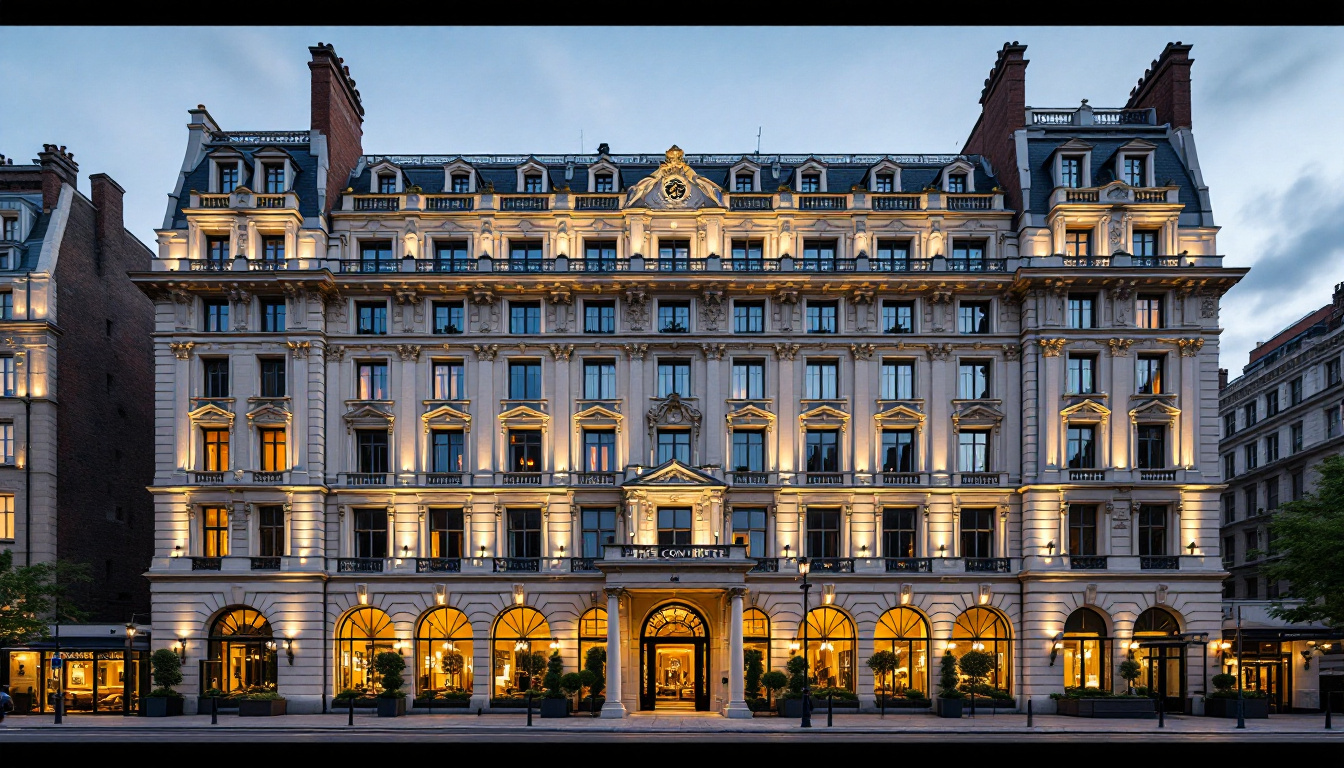
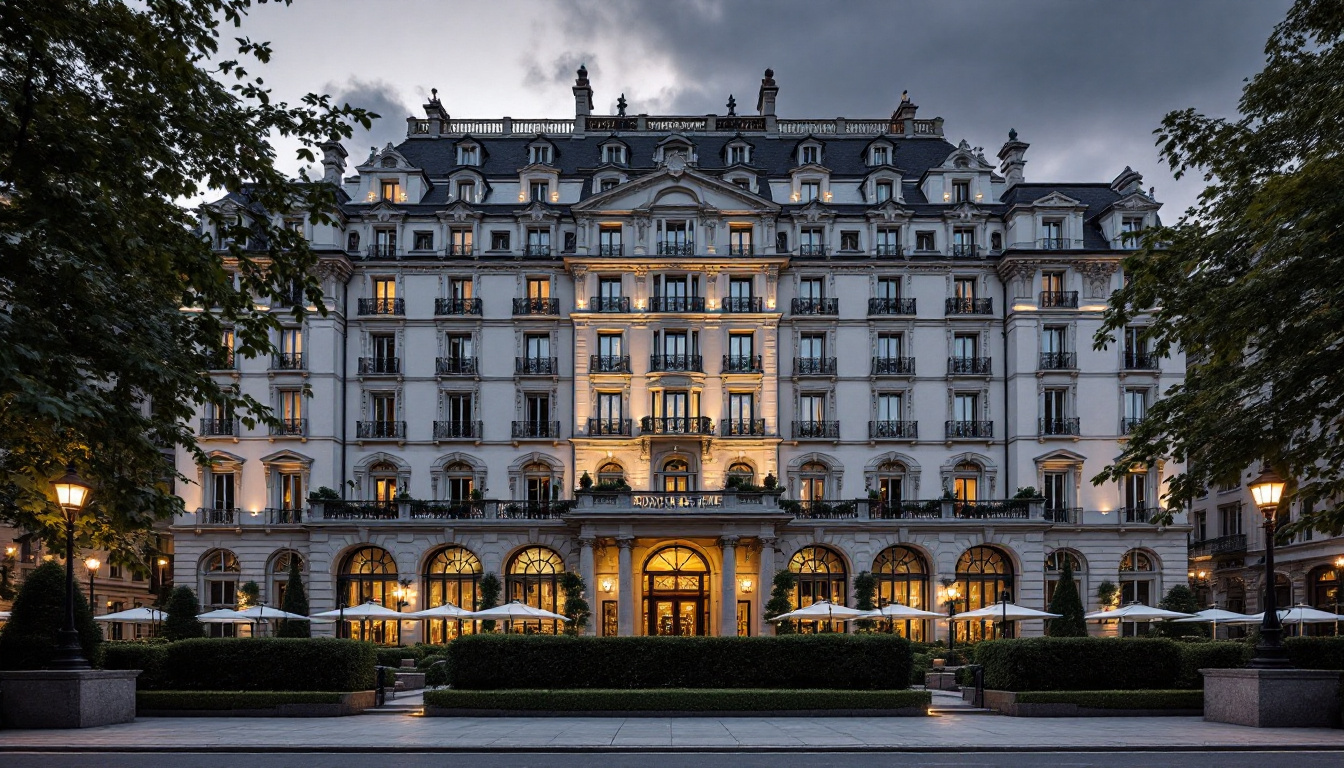
Badrutt’s Palace is the hotel that helped invent the Alpine winter season. Caspar Badrutt opened it in 1896, his family already credited with persuading the world that the mountains were a destination in winter as well as summer, and the property’s turreted silhouette above the frozen lake has been shorthand for St Moritz glamour ever since. Today it runs roughly 112 rooms and 43 suites, a dining roster including Matsuhisa by Nobu and the historic Chesa Veglia, and a winter season that remains one of the great social theatres in luxury travel. We paid the public rate for three nights in an entry-category room during ski season, no comp, to score the institution against our rubric.
It scores well on grandeur and occasion, with traditional rooms and peak pricing holding it a clear notch below the modern leaders. The honest reviewer’s task here is to separate the hotel from the myth — to ask not whether Badrutt’s is glamorous (it unmistakably is) but whether the room, the service, and the bill, judged on their own merits, justify one of the steepest rates in European hospitality. The answer, as so often with the great heritage names, is more qualified than the postcard suggests.
What we scored
| Dimension | Weight | Score (of 20) | Contribution |
|---|---|---|---|
| Substance (room/property) | 30% | 16.5 | 4.95 |
| Execution | 25% | 17.3 | 4.33 |
| Service | 20% | 17.0 | 3.40 |
| Setting | 15% | 19.1 | 2.87 |
| Value | 10% | 14.5 | 1.45 |
| Total | 100% | 17.0 |
The room
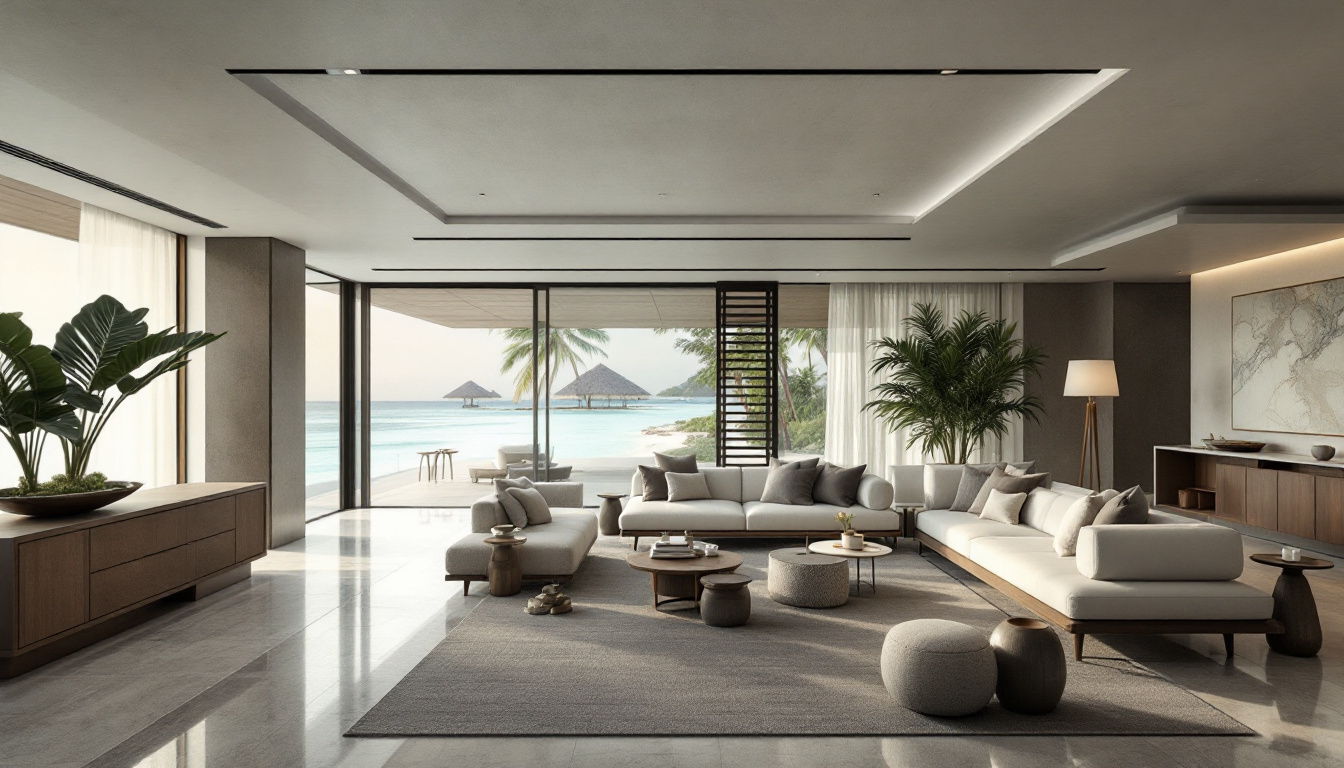
Our entry-category room was a classic Alpine grand-hotel space: warm timber, traditional furnishings, heavy fabrics, a register that has been refreshed over the years rather than reinvented. It was comfortable, generously sized, and well-kept, with a mountain view that did much of the room’s work — the frozen lake and the peaks beyond doing what no amount of interior design could. The bathroom was solid and well-appointed without being a showpiece.
But the rooms are firmly in the heritage idiom, and they are the most traditional dimension of the property. At this tariff they read as solidly excellent rather than distinctive: there is no single design vision here, no architect’s statement, just the accumulated comfort of a grand hotel that has been maintained and updated piecemeal across more than a century. Across a hotel of this age and size — roughly 112 rooms and 43 suites — categories vary considerably, and the entry rooms sit well below the grand suites in ambition. Substance lands in the mid-teens, honestly assessed, and it is the score that most separates Badrutt’s from the modern leaders in our index.
Setting and occasion
The setting is the property’s strongest card. The location above the lake, the unmistakable turreted silhouette, the direct access to one of the world’s most storied ski areas, and the sheer social atmosphere of the place during high season combine into something very few hotels can offer. This is the hotel the Badrutt family built as it helped invent the Alpine winter season in the first place, and the weight of that history is part of what you are buying.
The dining roster is among the largest and most characterful in the Alps: Matsuhisa by Nobu for the sushi-and-scene crowd, King’s Social House, and the centuries-old Chesa Veglia, a converted farmhouse that predates the hotel and serves everything from pizza to formal dinners across its rooms. There are nearly a dozen restaurants and bars in all, plus a spa and the legendary nightclub. This is a hotel where the occasion — the season, the scene, the sense of being at the centre of St Moritz’s winter — is the product as much as the accommodation, and on Setting it scores near the top.
Execution and service
The operation is seasoned and capable, and over three nights ran well: the ski concierge was genuinely excellent, sorting lift passes, equipment, and mountain logistics without fuss; dinner across the multiple outlets was handled smoothly; housekeeping was reliable. The machine clearly knows its business after 130 winters.
But during peak ski-season occupancy we noted the variance that a large, busy grand hotel inevitably produces — a wait at the spa, a slow check-in during a Saturday arrival surge when the whole of St Moritz seems to change over at once. Service is gracious and professional in the Swiss tradition, if a touch more formal and less personal than the small-hotel leaders elsewhere in our index; you are looked after correctly rather than known intimately. Both dimensions score solidly in the high teens without reaching the top.
The bill, and value
This is where the rubric is least forgiving. St Moritz at peak season is among the most expensive hospitality in the world, and three nights with dinner at Matsuhisa and ski services reached well into five figures for what are, fundamentally, traditional rooms. You are paying a substantial premium for the address, the season, and the social cachet rather than for room substance — a meaningful distinction when the publication scores the product rather than the scene.
Value is the lowest dimension by a clear margin, and honestly so. For the traveller who wants the definitive St Moritz winter and treats the scene, the people-watching, and the history as part of the purchase, the spend has its logic; the hotel delivers an experience that genuinely cannot be had anywhere else. But for one weighing room quality against rate in isolation, Badrutt’s charges a premium the rooms alone do not justify, and the headline score reflects that balance.
How it compares
Badrutt’s earns the lowest headline score in this set of reviews, and the reason is instructive rather than damning. It is the property in our index whose appeal depends most heavily on a dimension the rubric deliberately under-weights: the scene. Where the Hôtel du Cap and Il San Pietro convert their occasion into a perfect Setting score backed by extraordinary landscape, Badrutt’s offers occasion of a more social kind — the St Moritz winter, the crowd, the cachet — which the rubric credits to Setting but cannot let carry rooms that are merely traditional and a Value score punished by peak-season Alpine pricing. None of this makes it a poor hotel; it makes it a hotel whose value is hardest to capture in a scoring grid, because so much of what you are buying is the milieu rather than the product. The 17.0 is a fair reading of the room, the service, and the bill. The intangible thrill of being at Badrutt’s in February is real, but it is not something the publication can responsibly price into the score.
The Premium Standard: 17.0 / 20
Verification
Every factual claim in this review was checked against external sources before publication, on 2026-05-11. Where a figure could not be independently confirmed, it is described in approximate terms in the text. To challenge a fact, write to corrections@premiumtravelreview.com.
Frequently asked questions
- When did Badrutt's Palace open?
- It opened in 1896, founded by Caspar Badrutt, whose family had pioneered winter tourism in St Moritz.
- How many rooms does it have?
- Around 112 rooms and 43 suites, plus a wide range of restaurants, bars, and a spa area.
- What are the notable restaurants?
- They include Matsuhisa by Nobu, King's Social House, and the historic Chesa Veglia. The dining roster is one of the largest in the Alps.
- Is it a ski hotel?
- Yes — it sits in St Moritz with direct access to one of the world's most storied ski areas, and the winter season is its peak.