The verdict A century-old palace whose Jouin Manku restoration and storied gardens deliver real grandeur and value — held below the leaders by the operational variance that comes with scale.
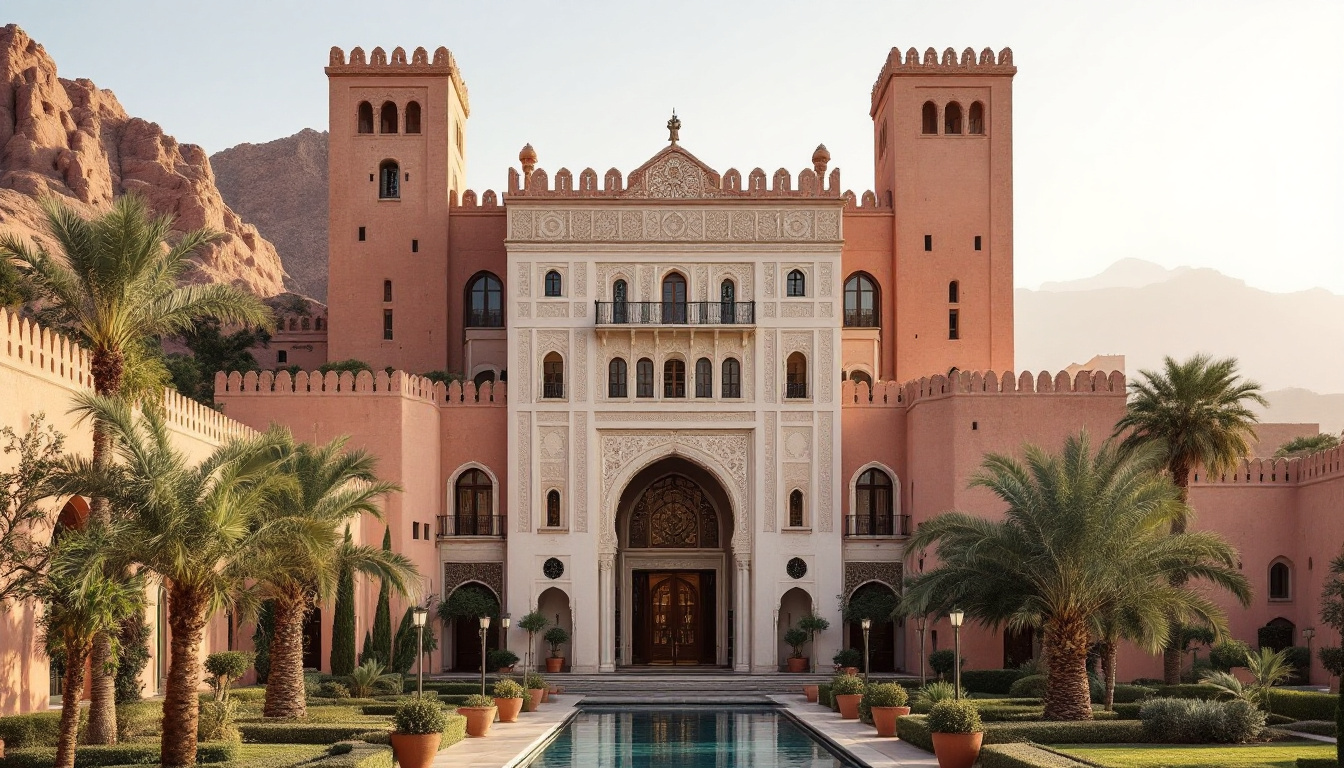
La Mamounia is what a palace hotel looked like before the word was a marketing distinction. Opened in 1923 in a fusion of Moroccan craft and Art Deco confidence, set in twenty-some acres of gardens that predate the building, it has hosted the famous and the exiled for a century and remains the address in Marrakech. A two-phase restoration by Patrick Jouin and Sanjit Manku, completed at the end of 2023, brought the public rooms and dining into the present without erasing the romance. The property now runs to roughly 209 accommodations. We paid the public rate for three nights in an entry-category room, no comp, to score the grande dame against our rubric.
It earns a strong score on grandeur and value, with the variance that any 200-key palace carries keeping it below the small-hotel leaders. The interesting tension at La Mamounia is between two kinds of luxury that rarely coexist: the intimate, owner-operated precision the publication tends to reward, and the sweeping, theatrical grandeur that only scale and history can produce. This is firmly a hotel of the second kind, and the rubric scores it on those terms rather than docking it for refusing to be something it never set out to be.
What we scored
| Dimension | Weight | Score (of 20) | Contribution |
|---|---|---|---|
| Substance (room/property) | 30% | 17.2 | 5.16 |
| Execution | 25% | 17.0 | 4.25 |
| Service | 20% | 17.5 | 3.50 |
| Setting | 15% | 19.0 | 2.85 |
| Value | 10% | 17.4 | 1.74 |
| Total | 100% | 17.5 |
The room
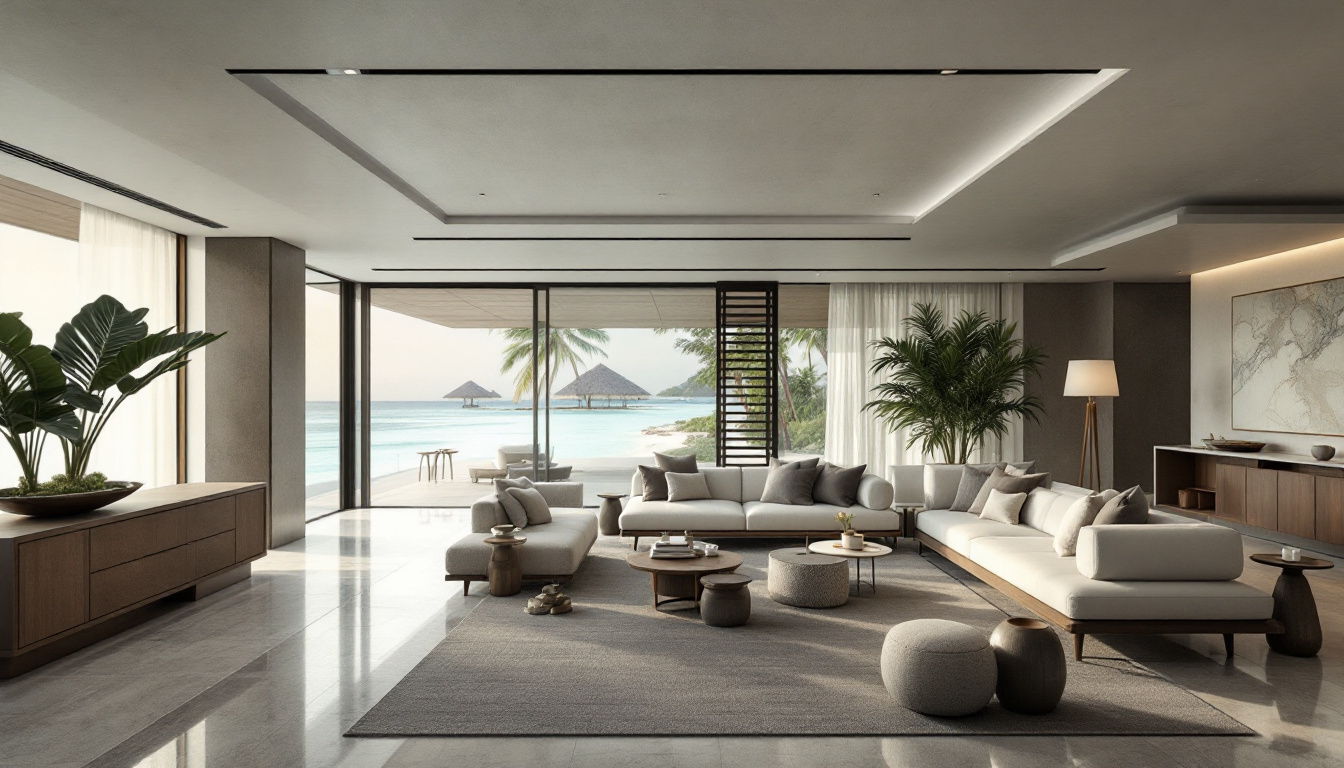
Our entry-category room carried the Jouin Manku register: Moroccan craft — zellige tilework, carved plaster, brass, carved cedar — reworked with a contemporary hand that keeps the rooms from tipping into pastiche. The materials are genuine, the proportions generous, and the work feels recent and well-kept following the two-phase restoration completed at the end of 2023. The bathroom was a particular pleasure, all marble and Moroccan detail, and the bed and linens were faultless.
What holds Substance in the high teens rather than higher is consistency at scale: across a property of roughly 209 accommodations, room categories vary considerably, and the entry rooms, while handsome, do not reach the drama of the larger suites or the three standalone garden riads (each a 700-square-metre private house with its own pool). It is a very good palace room rather than a singular one — and at this tariff, in a field that now includes hotels built around a single architect’s total vision, that distinction costs a point.
The gardens, and setting
The gardens are the property’s soul and its highest-scoring dimension. Mature olive groves, citrus, rose beds, and long cypress walks cover the grounds, the famous central pool anchors the landscape, and the whole composition predates the hotel itself — the gardens were laid out long before the 1923 building, and there is nothing manufactured about them. Walking them at dawn, before the heat and the crowds, is one of the genuine pleasures of a Marrakech stay, and few city hotels anywhere can offer grounds on this scale.
The spa, long one of the most decorated in the world and a multiple-year winner of international awards, is a serious hammam-and-treatment complex rather than a token facility — jewel-toned tilework, marble, a proper Moroccan bathing ritual rather than a Western day-spa pastiche. Dining spans the Italian L’Italien (helmed by Simone Zanoni from late 2025, taking over from the Jean-Georges era), a strong traditional Moroccan kitchen, Asian cuisine, and pastry from Pierre Hermé. The architecture itself — the Prost-and-Marchisio fusion of Moroccan tradition and Art Deco — is part of the setting’s appeal. Setting scores near the top.
Execution and service
Here the rubric is candid about scale. The operation is gracious and capable, but across three nights we logged more variance than at the small-hotel leaders: a slow morning getting set up at the pool, an in-room dining order that needed correcting, and a check-in that ran long during a busy arrival window. None of it was egregious, and all of it is the ordinary texture of running a 200-plus-key palace at high occupancy — the same trade-off that affects every grand hotel of this size in our index.
Service is warm and genuinely hospitable in the Moroccan tradition, with staff who go out of their way and a sincerity that the great European palaces sometimes lack. But it cannot deliver the per-guest density of a 24-suite villa, where the team can memorise every preference; at this scale, even excellent service is necessarily more systematic. The scores reflect that honestly, placing both dimensions solidly in the high teens rather than at the top.
The bill, and value
For a palace of this stature, Marrakech pricing is comparatively favourable. Three nights with meals and a spa session landed below what an equivalent grand-hotel stay would cost in Paris or London, for a property with far larger grounds and a more celebrated spa than most of its European peers. Value therefore scores well for the tier — a genuine point in its favour, and one of the higher value marks in our hotel index.
For the traveller who wants old-world palace grandeur, extraordinary gardens, and a serious hammam without Western-European palace rates, La Mamounia is a strong proposition. It is not the most operationally flawless hotel we have scored, but it may be one of the most atmospheric, and the rate makes that atmosphere unusually accessible.
How it compares
La Mamounia sits with the other large heritage palaces in our index — the Connaught, Badrutt’s — as a property whose scale is both its grandeur and its operational handicap. It cannot match the per-guest service density of the small-hotel leaders, and across 200-plus keys at high occupancy it shows the variance that size produces. But it answers a question the others do not, which is how to deliver genuine palace atmosphere — century-old gardens, a world-class spa, a fusion of Moroccan craft and Art Deco — at a rate well below what Paris or London charge for less ground and a smaller spa. On Value it therefore outscores most of the European palaces outright. The 17.5 places it a notch below the operational front-runners, but for the traveller who weighs atmosphere and gardens above flawless logistics, and who would rather not pay Western-European palace money for the privilege, it may be the most rewarding entry in the heritage-palace tier of our index.
The Premium Standard: 17.5 / 20
Verification
Every factual claim in this review was checked against external sources before publication, on 2026-05-15. Where a figure could not be independently confirmed, it is described in approximate terms in the text. To challenge a fact, write to corrections@premiumtravelreview.com.
Frequently asked questions
- When did La Mamounia open?
- It opened in 1923, designed by French architects Prost and Marchisio in a blend of Moroccan tradition and Art Deco.
- Who led the recent renovation?
- Patrick Jouin and Sanjit Manku of Jouin Manku, in two phases completed by the end of 2023.
- How many rooms does it have?
- Roughly 209 accommodations in total — about 135 rooms, 71 suites, and three standalone garden riads.
- What about the dining and spa?
- Dining includes the Italian L'Italien (helmed by Simone Zanoni from late 2025), a Moroccan restaurant, and pastry by Pierre Hermé. The spa is a long-celebrated, large hammam-and-treatment complex.