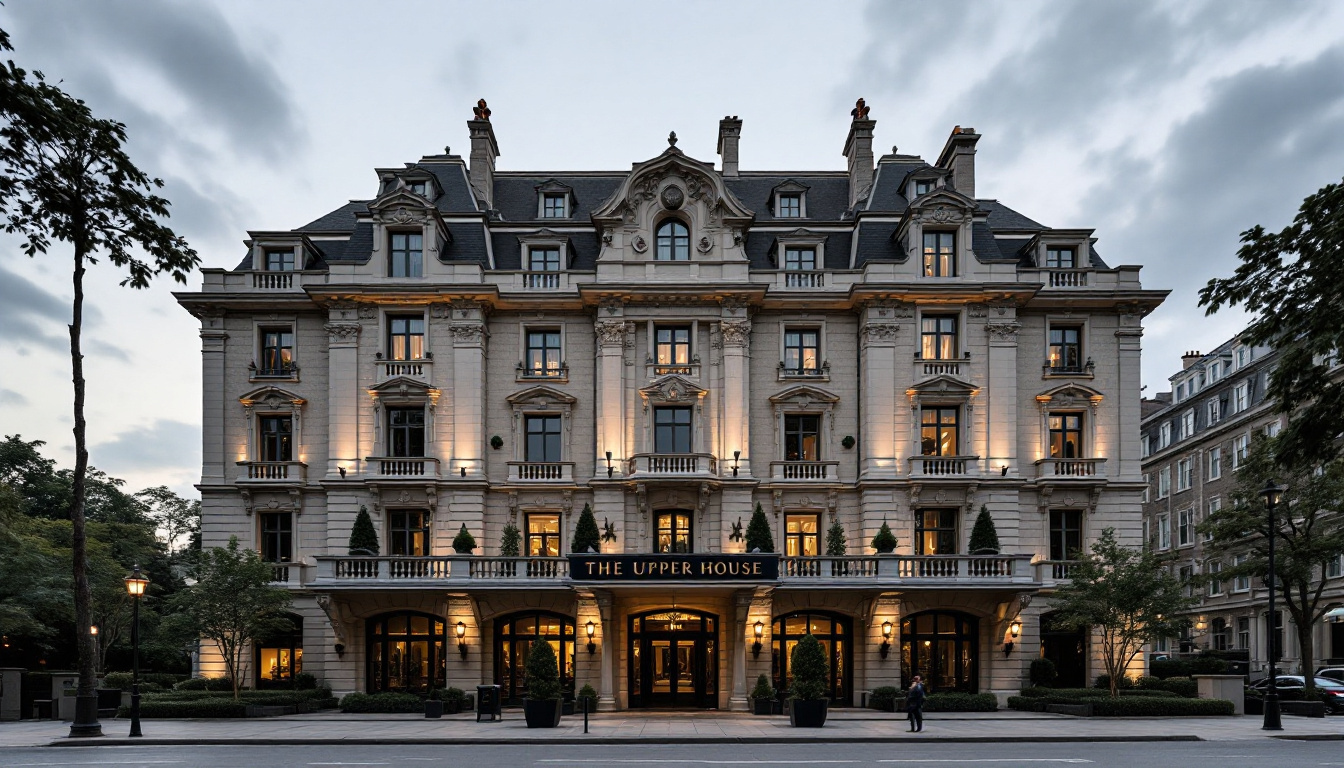
The verdict A study in calculated understatement that delivers genuine substance and exceptional value for the category — held just short of the very top by a deliberately minimal arrival.
The Upper House makes you work for it, and that is the point. There is no porte-cochère theatre, no marble lobby, no chandelier. You arrive at the base of a Pacific Place tower in Admiralty, ride up past a bamboo-lined approach, and are received in a low-lit room that feels closer to a friend’s apartment than a hotel. André Fu designed the property, which opened in 2009, around a single idea: a luxury hotel that behaves like a private residence. We paid the public rate for three nights in a Studio room to test whether that idea holds up against a rubric.
For the most part, it holds up extremely well — and on the dimension most hotels in this price bracket fail, value, it is among the strongest urban properties we have scored.
What we scored
| Dimension | Weight | Score (of 20) | Contribution |
|---|---|---|---|
| Substance (room/property) | 30% | 18.0 | 5.40 |
| Execution | 25% | 17.5 | 4.38 |
| Service | 20% | 18.5 | 3.70 |
| Setting | 15% | 16.0 | 2.40 |
| Value | 10% | 16.2 | 1.62 |
| Total | 100% | 17.5 |
The property
The Upper House sits atop the Pacific Place complex in Admiralty, occupying the upper floors of a tower whose lower levels Fu also reworked. It opened in 2009 as part of Swire Hotels’ “House Collective,” and the brief — a luxury hotel that behaves like a private residence — runs through every decision, from the absence of a grand lobby to the bamboo-lined approach that screens you from the shopping mall below. With 117 rooms, including 21 suites and two penthouses, it is small enough to feel personal and large enough to sustain a serious operation. The lack of conventional hotel signage and ceremony is the point: you are meant to feel like a resident arriving home, not a guest checking in.
The room
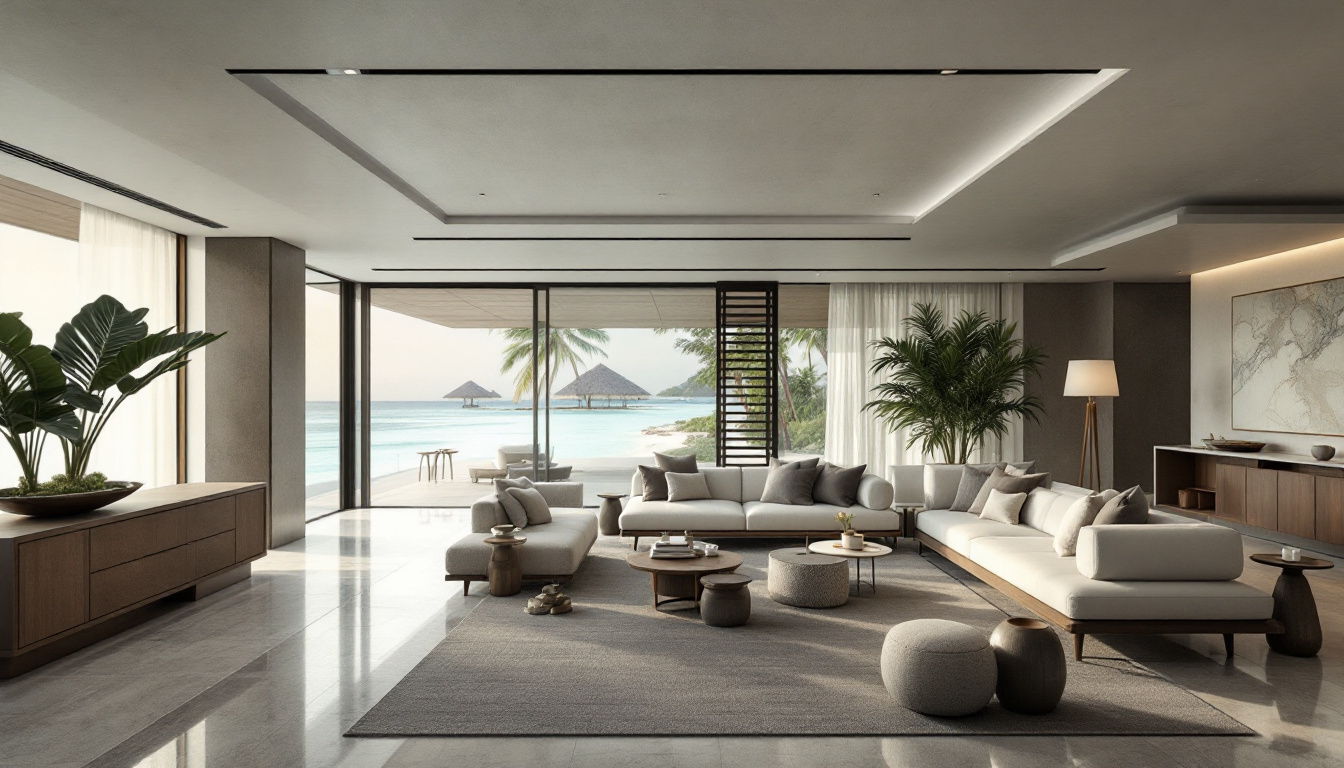
The Studios are large by any standard and almost shocking by Hong Kong’s — generous enough that the bathtub sits in the open against the window, the dressing area flows uninterrupted into the sleeping space, and there is genuine room to live rather than merely sleep. Fu’s material palette is warm and quiet: oak, limestone, bronze, soft neutral textiles, and a curated mini-bar that leans toward thoughtful gift rather than extractive profit centre. The harbour or city view through the full-height glass does the decorative work that other hotels assign to art and gilding; the room frames the view and otherwise gets out of its way.
What lifts Substance is the sense that every surface was resolved by a single intelligence — Fu’s — with no friction between the design’s ambition and its execution. The room is a complete thought rather than an assembly of luxury components. The only reason the score is not higher is that the rooms, for all their calm and generosity, do not deliver the outright drama of the city’s grandest suites across the harbour. That is a conscious trade, and Fu made it deliberately: serenity over spectacle. The rubric records it without penalising the intent too harshly.
Service and execution
Service is where The Upper House quietly outperforms its tariff, and it earns the property’s highest dimension score. The team operates without a traditional front desk, which means staff come to you wherever you are — and the result over three days was a kind of attentive informality that never once tipped into intrusion. A laundry turnaround came back faster than promised; a restaurant booking elsewhere in the city was handled without our asking twice; a casual question about a hiking trail produced a printed route at the door the next morning. This is service that has genuinely internalised the residential conceit rather than merely advertising it on a brochure.
Execution is a half-step behind, and only because the property’s minimalism leaves nowhere for errors to hide — we noted one slow in-room dining delivery on the second night, the kind of slip that a busier, more cluttered hotel would have absorbed unnoticed. Otherwise the machine runs clean, and both dimensions score in the high teens.
Setting
Café Gray Deluxe on the 49th floor remains one of the better hotel dining rooms in the city, its 46-foot open kitchen and matching bar framing a wall of harbour glass; the cooking traces back to chef Gray Kunz’s original vision for the room and still reads as serious rather than coasting on the view. The Lounge offers an inventive afternoon and evening service in the same vein.
Where Setting takes its one real hit is the wellness side: The Upper House runs a fitness studio rather than a full spa, which for a property at this level and tariff is a genuine gap — a guest expecting a pool and treatment rooms will not find them here. That single omission is the main reason the dimension sits in the mid-teens rather than higher, and it is the clearest structural weakness in an otherwise exemplary property.
The bill, and value
Here the property makes its strongest case, and posts one of the best value scores in our urban index. Three nights with breakfast and one dinner at Café Gray landed well below what an equivalent stay would cost at the Mandarin Oriental, the Peninsula, or Rosewood across the harbour — for rooms that are larger and, in our assessment, better resolved than most of them.
The logic is simple and admirable: The Upper House does not spend money on grand lobbies, chandeliers, and arrival parades, so it spends it on the room and the people instead, and it passes the saving on to the guest. For the traveller who measures luxury by the experience rather than the size of the foyer, it is among the smartest uses of a luxury budget in Hong Kong, and the rubric rewards that discipline accordingly.
How it compares
Within our index, The Upper House occupies a distinct position: it scores below the grand palaces of Paris and London on raw substance and on the breadth of its facilities — the missing spa is the clearest example — but it beats nearly all of them on value, and it matches the best of them on service. It is the antithesis of the trophy hotel. Where a property like Cheval Blanc Paris seals you inside a flawless, fully resourced interior, The Upper House strips the experience back to the two things that actually determine the quality of a stay: the room you sleep in and the people who look after you. That it does both at a materially lower rate than its harbour rivals is the headline finding of this review. The 17.5 it earns would be higher still if the property added a genuine spa; the gap between very good and exceptional here is a wellness floor, not a flaw in the hotel’s philosophy.
The Premium Standard: 17.5 / 20
Verification
Every factual claim in this review was checked against external sources before publication, on 2026-04-14. Where a figure could not be independently confirmed, it is described in approximate terms in the text. To challenge a fact, write to corrections@premiumtravelreview.com.
Frequently asked questions
- When did The Upper House open?
- It opened in October 2009, part of Swire Hotels' 'House Collective.' It sits atop the Pacific Place complex in Admiralty.
- How many rooms does The Upper House have?
- There are 117 rooms, including 21 suites and two penthouses. Even entry-level studios are unusually large for Hong Kong.
- Who designed The Upper House?
- André Fu, who set out to create a hotel that felt like a private residence rather than a conventional luxury property.
- What is the signature restaurant?
- Café Gray Deluxe on the 49th floor, with a long open kitchen and harbour views, originally conceived with chef Gray Kunz.