
The verdict A 150-year river legend whose service still sets the global benchmark, scored at the top on people and dining — its main building's modern rooms keeping substance just shy of the leaders.
Some hotels are old; the Mandarin Oriental Bangkok is foundational. The Oriental opened on the banks of the Chao Phraya in 1876 as the first hotel in Thailand, hosted the writers — Conrad, Maugham — after whom its suites are named, and has spent 150 years refining the one thing it is most famous for: service that is regularly described as the finest on earth. Today it runs to roughly 331 rooms across a modern River Wing and the heritage Authors’ and Garden Wings. We paid the public rate for three nights in a River Wing room, no comp, to test whether the legend’s reputation survives a rubric.
The service alone nearly carries it — and the rest is strong enough to land it firmly among the leaders. What the rubric is really testing here is whether a single, transcendent dimension can lift an otherwise contemporary five-star property into the top tier, and the answer, in this case, is an emphatic yes. Few hotels in the world let you watch service of this calibre at work; fewer still make you forget you are watching at all.
What we scored
| Dimension | Weight | Score (of 20) | Contribution |
|---|---|---|---|
| Substance (room/property) | 30% | 16.7 | 5.01 |
| Execution | 25% | 18.5 | 4.63 |
| Service | 20% | 20.0 | 4.00 |
| Setting | 15% | 18.0 | 2.70 |
| Value | 10% | 16.6 | 1.66 |
| Total | 100% | 18.0 |
Service
We award the perfect 20 sparingly, and the Mandarin Oriental Bangkok earns one here. Within an hour of arrival, staff used our names without being prompted, anticipated a dietary preference at breakfast, and remembered a casual remark about how we took our coffee for the rest of the stay. None of this is accidental: the staff-to-guest ratio is among the highest in the industry, and crucially the people have been here for years — many for decades — so there is institutional memory in the service that newer hotels simply cannot manufacture at any price.
The texture of it matters. This is not the choreographed, slightly anxious service of a hotel performing luxury; it is the relaxed competence of a team that has done this longer than most of its guests have been alive. Over three nights we could not generate a single service miss — not a late delivery, not a forgotten request, not a moment of friction. This is the standard the rest of the category aspires to, and it is the single best reason to come. The dimension earns its perfect mark on the strength of three days in which the hotel never once let us catch it working.
The room
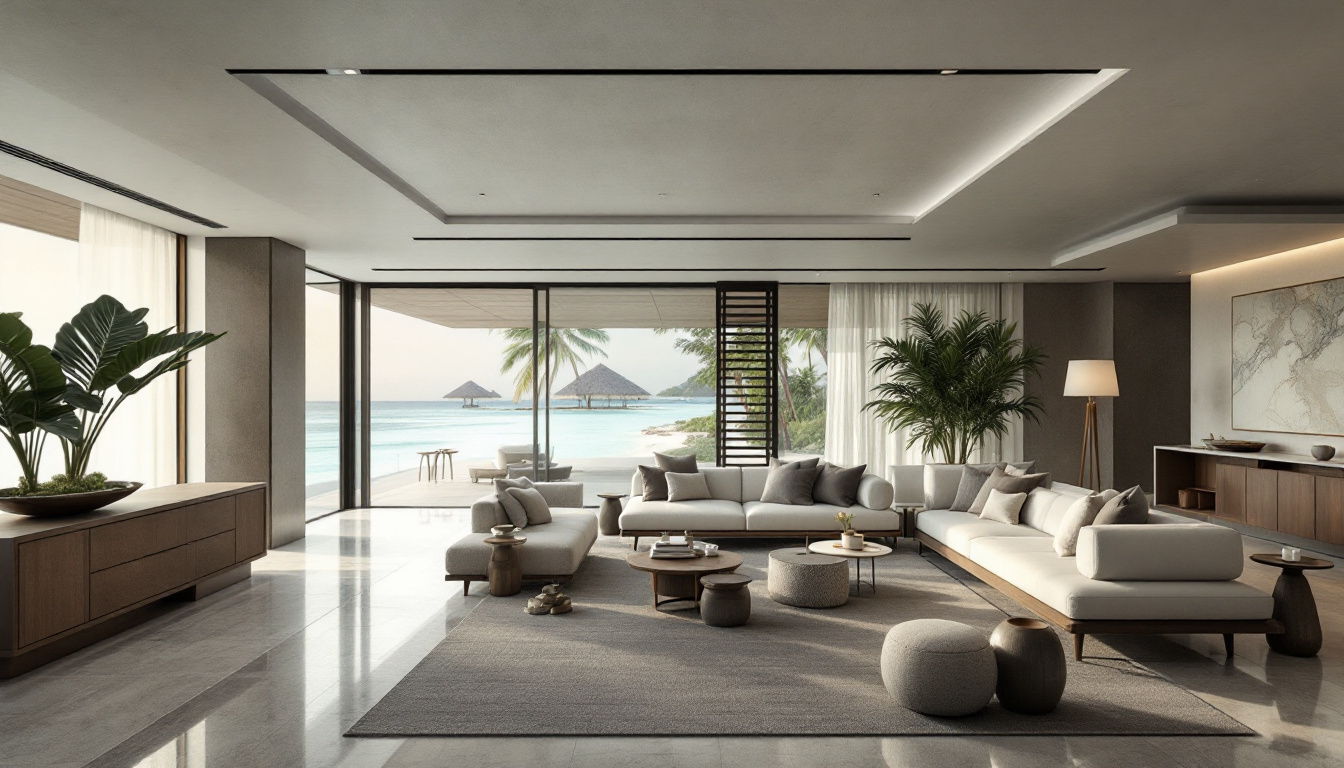
The River Wing rooms, where most guests stay, are comfortable, well-appointed, and impeccably maintained, with balconies over the Chao Phraya and its constant theatre of long-tail boats, rice barges, and ferries. The river view is the room’s greatest asset and is genuinely mesmerising — a working waterway rather than a postcard. But the River Wing is a product of a later era of the hotel’s long history, and the rooms read as polished contemporary five-star rather than as a design statement.
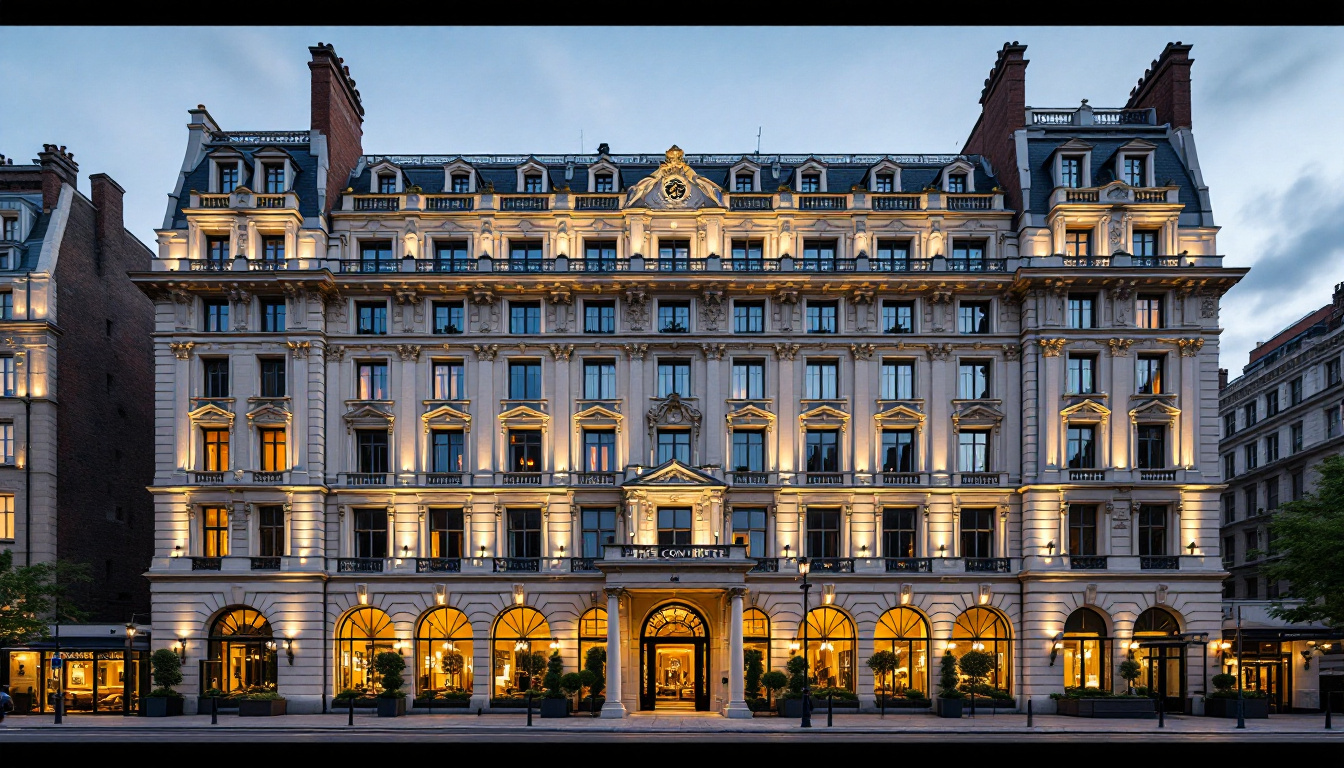
The truly distinctive accommodation lies elsewhere: the heritage suites of the Authors’ Wing — the part of the property that traces to the 1880s reconstruction and is named for the writers, Conrad and Maugham among them, who stayed here — are a more romantic and historically resonant experience. But that is not where the standard guest lands, and the rubric scores the room most guests will actually book. On Substance, the entry-category River Wing room is excellent and faultless without being singular, which is exactly the high-teens score the rubric assigns. It is the one dimension where a 150-year-old hotel shows that its rooms, however well kept, follow rather than set the modern standard.
Execution and setting
Execution is class-leading and nearly indistinguishable from the service score. In-room dining arrived early and complete; the hotel’s own riverboats, ferrying guests across the Chao Phraya to the spa and the Sala Rim Naam Thai restaurant on the far bank, ran like clockwork; housekeeping was invisible and exact. For an operation this large and this old, the consistency is remarkable.
The setting is genuinely special. The river is the hotel’s defining asset, and the property uses it at every turn — arrivals by boat, riverside dining, the spa across the water. The legendary Authors’ Lounge, a vision of colonial white wicker and tropical light, serves one of the world’s classic afternoon teas. Le Normandie, the French fine-dining room, carries a Michelin star at the top of a dining roster that runs to roughly eleven restaurants and bars. Setting scores high; the only real ceiling is that the surrounding cityscape, unlike a garden, a coastline, or a reserve, is urban — the magic is the river itself rather than the skyline beyond it.
The bill, and value
For a hotel of this stature, Bangkok pricing is comparatively rational. Three nights with two dinners and a spa treatment landed comfortably below what the equivalent stay would cost in Paris, London, or Tokyo, and the service you receive for it is, by our measure, better than at most of them. That combination — world-class service at a rate that does not require European-palace money — is rare enough to matter.
Value therefore scores respectably for the tier, making this one of the few genuinely top-flight properties in our index where the bill feels proportionate to the experience rather than inflated by a trophy or a season. For the traveller who prizes service above all else, the Mandarin Oriental Bangkok is among the best uses of a luxury budget anywhere in the world.
How it compares
In our index, the Mandarin Oriental Bangkok is the clearest case of a property that wins decisively on a single dimension. On rooms, the newest palaces — Cheval Blanc, Aman Tokyo — comfortably outscore it; on service, nothing we have assessed beats it, and very little matches it. The two perfect 20s in this index, one here and one for the Hôtel du Cap’s setting, mark the two things a hotel can possess that decades of operation produce and money alone cannot: institutional service memory and an irreplaceable piece of ground. Bangkok has the former in greater measure than any hotel on earth. The 18.0 headline understates how special the experience is for the right guest, because the rubric correctly docks the contemporary rooms; but for the traveller who understands that the people are the product, this is, on a service-per-dollar basis, perhaps the single best luxury hotel in the world.
The Premium Standard: 18.0 / 20
Verification
Every factual claim in this review was checked against external sources before publication, on 2026-05-10. Where a figure could not be independently confirmed, it is described in approximate terms in the text. To challenge a fact, write to corrections@premiumtravelreview.com.
Frequently asked questions
- How old is the Mandarin Oriental Bangkok?
- The Oriental opened on the Chao Phraya River in 1876 as Thailand's first hotel; the brand marks 2026 as its 150th anniversary. The historic Authors' Wing dates to an 1880s reconstruction.
- How many rooms does it have?
- Around 331 rooms and suites, split between the modern River Wing and the heritage Authors' and Garden Wings.
- What is the signature restaurant?
- Le Normandie, the Michelin-starred French fine-dining room, is the flagship among the hotel's many outlets.
- Why is the service so renowned?
- The hotel is consistently cited for one of the highest staff-to-guest ratios and most personalised service in global luxury hospitality, with many staff serving for decades.